Sewage Treatment Plant (STP): Process, Working & Installation
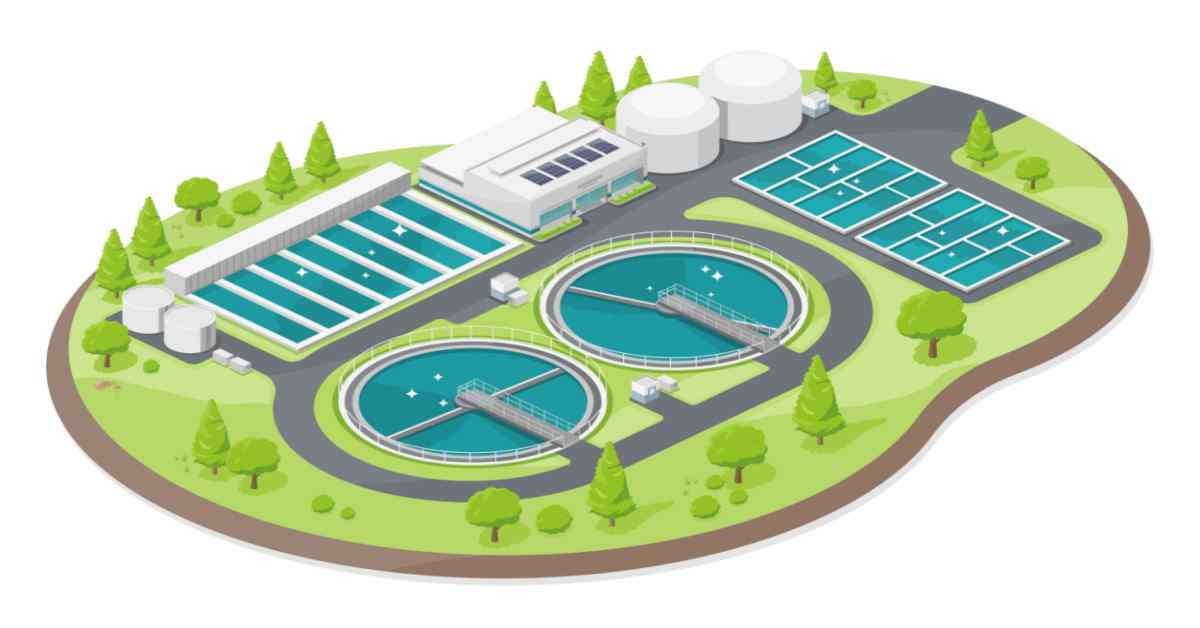
Sewage Treatment Plant (STP) is essential for residential buildings and gated societies to manage wastewater efficiently. STPs help treat sewage, making water reusable and reducing environmental impact. Understanding what an STP plant is and its importance in housing societies ensures cleaner, safer living spaces.
What is a Sewage Treatment Plant in Society?
Sewage Treatment Plant (STP) is a dedicated facility designed to treat wastewater generated within the society’s premises. Its main function is to clean and purify sewage from homes and common areas, ensuring safe disposal into the environment or enabling water reuse within the community.
The STP water treatment process in a society involves physical, chemical, and biological methods to break down pollutants, remove harmful pathogens, and reduce contaminants. This protects residents from health risks like waterborne diseases, while also preserving the local ecosystem by preventing pollution of groundwater and nearby water bodies.
Importance of Sewage Treatment Plant for Residential Buildings
Here’s why Sewage Treatment Plants are essential for residential society
- Environmental protection by reducing pollution from untreated sewage
- Enhances sanitation and hygiene in gated communities
- Fulfills legal mandates for housing societies and apartments
- Supports water conservation through recycling treated water
Sewage Treatment Plant Process
Here’s a quick overview of the STP plant processes that are taking place inside the sewage treatment plant.
| Stage of Treatment | Processes Involved |
| Primary Treatment | Screening and grit removalPrimary sedimentation |
| Secondary Treatment | Activated sludge processTrickling filters |
| Tertiary Treatment | Sand filtrationChemical treatmentPolishing the effluentEnsuring water quality compliance |
| Sludge Treatment and Disposal | Sludge thickeningDigestion and dewatering |
Also Read: Wastewater Treatment Plant
1. Primary Treatment
The first step in the STP water treatment process is primary treatment, which removes large solids and heavy particles.
- Screening and Grit Removal: Incoming sewage passes through screens to remove big debris like sticks, plastics, and leaves.
Grit removal targets sand, gravel, and stones to protect the equipment. - Primary Sedimentation: Sewage flows into sedimentation tanks where solids settle as sludge and lighter materials float and are skimmed off.
This step reduces the organic load and prepares the sewage for easier treatment in the next stages.
Purpose:
- Mechanically removes large debris and heavy particles
- Reduces organic load for better biological treatment
- Protects equipment and improves plant efficiency
2. Secondary Treatment
This phase of the stp water treatment process biologically treats sewage to break down organic matter.
- Activated Sludge Process: Microorganisms consume organic pollutants, improving water quality.
- Trickling Filters: Sewage trickles over a bed of rocks or media where microbes degrade the waste.
3. Tertiary Treatment
The final stage in the stp water treatment process polishes the treated water to meet quality standards.
- Sand Filtration: Removes remaining fine particles by passing water through sand beds.
- Chemical Treatment: Removes nutrients, heavy metals, and contaminants to ensure the water is safe for discharge or reuse.
4. Sludge Treatment and Disposal
This part of the stp water treatment process deals with treating and disposing of the sludge generated during earlier steps.
- Sludge Thickening: Concentrates solids by removing excess water.
- Digestion and Dewatering: Microorganisms break down organic matter, reducing volume and odor. Further water removal converts sludge into solid form suitable for disposal or repurposing.
Sewage Treatment Facilities in Housing Society
Sewage treatment facilities in residential buildings function as specialized plants that collect, treat, and process wastewater generated from toilets, kitchens, bathrooms, and laundries. They include:
- Wastewater collection systems with pipes and manholes
- Preliminary screening and sedimentation to remove large solids
- Biological and chemical treatment units to decontaminate wastewater
- Filtration and disinfection for safe reuse or disposal
These facilities are crucial in densely populated areas lacking centralized sewage systems, ensuring sanitation and environmental protection.
Read Also: Housing Society Waste Management
Types of Sewage Treatment Plants in Housing Society
Sewage treatment plants are a critical process for maintaining public health and protecting the environment. Various sewage treatment plants employ different methods to purify wastewater. In this section, we will explore some of the diverse types of STP plants, each with its unique processes and applications.
1. Activated Sludge Plant (ASP)
The Activated Sludge Plant, commonly known as ASP, is a prevalent sewage treatment plant method. It relies on the power of microorganisms to break down organic matter in wastewater. Here, we will delve into the workings and applications of ASP, shedding light on its importance in sewage treatment plant process.
Activated Sludge Plant (ASP) is a biological wastewater treatment process that utilizes microorganisms to remove organic matter, suspended solids, and pollutants from sewage. The process involves four key stages:
- Aeration Tank: Wastewater is mixed with activated sludge, which is a biomass rich in microorganisms. The mixture is aerated, providing oxygen to the microorganisms, allowing them to consume organic substances.
- Clarifier: The aerated mixture is then allowed to settle in a clarifier, where the activated sludge settles at the bottom, and clear, treated water rises to the top.
- Return of Activated Sludge: A portion of the settled activated sludge is returned to the aeration tank to maintain a healthy population of microorganisms.
- Effluent Discharge: The treated water, now free from most contaminants, is discharged into the environment or subjected to further treatment if needed.
Applications of ASP
- Municipal wastewater treatment: ASP is widely used in urban areas to treat sewage before discharge into rivers or oceans.
- Industrial wastewater treatment: Many industries use ASP to treat their wastewater, ensuring compliance with environmental regulations.
- Removal of organic pollutants: ASP effectively removes organic pollutants, making water safe for aquatic life and human use.
2. Trickling Filter Systems
Trickling filter systems are another crucial method in sewage treatment plant process. These systems utilize natural processes to purify wastewater. In this section, we will discuss the role and benefits of trickling filter systems in sewage treatment.
Trickling filter systems consist of a bed of rocks or synthetic media where wastewater is distributed. The key steps in the process are as follows:
- Trickling Filtration: Wastewater is distributed over the filter bed, allowing microorganisms to grow on the media. These microorganisms consume organic matter in the sewage, purifying it in the process.
- Biological Activity: Microorganisms break down organic pollutants, transforming them into stable compounds, reducing the water’s pollutant levels.
Benefits of Trickling Filter Systems
- Low energy consumption: Trickling filter systems operate with minimal energy requirements, making them cost-effective and environmentally friendly.
- Natural treatment: They mimic natural processes, allowing for sustainable sewage treatment.
- Compact design: Trickling filters are space-efficient, making them suitable for smaller treatment plants.
3. Membrane Bioreactor Technology
Membrane Bioreactor (MBR) technology represents a significant advancement in sewage treatment plant process. This section will highlight the technology and advantages of MBRs in wastewater treatment.
Membrane Bioreactors combine biological treatment processes with membrane filtration. Here’s how they work:
- Biological Treatment: Microorganisms are employed to break down organic matter and remove pollutants in sewage.
- Membrane Filtration: Treated sewage is passed through membrane filters with microscopic pores, retaining any remaining solids, microorganisms, and contaminants in the sewage treatment plant.
Advantages of MBR Technology
- High-quality effluent: MBRs produce high-quality treated water, suitable for various applications, including reuse.
- Compact design: MBR systems are compact, saving space in treatment plants.
- Improved solids removal: The membrane filtration stage ensures efficient removal of solids and microorganisms from the treated water.
Rotating Biological Contactor Applications
Rotating Biological Contactors (RBCs) are a lesser-known but valuable component of the sewage treatment plant process. In this section, we will explain the function and use of rotating biological contactors in wastewater treatment.
RBCs consist of plastic discs or media mounted on a rotating shaft. Wastewater flows over the rotating discs, allowing microorganisms to attach and grow. Here’s how RBCs work:
- Biological Treatment: Microorganisms on the rotating discs break down organic matter and remove pollutants in the wastewater.
- Effluent Collection: Treated water is collected from the bottom of the RBC unit, leaving behind the biomass and solids.
Applications of Rotating Biological Contactors
- Smaller treatment plants: RBCs are often used in smaller wastewater treatment facilities due to their efficient and compact design.
- Odor control: They are effective in reducing odours associated with sewage treatment.
- Low energy consumption: RBCs have low energy requirements, making them energy-efficient options for sewage treatment.
Essential Components of a Sewage Treatment Plant
Sewage treatment plants are intricate systems designed to safeguard public health and protect the environment by purifying wastewater before it is safely discharged or reused. Within these facilities, various essential components work harmoniously to transform raw sewage into treated water that meets stringent quality standards.
Here are the core components that constitute a sewage treatment plant.
| Component | Description |
| Influent Pump Station | The influent pump station is responsible for pumping raw sewage into the treatment plant. It ensures a continuous flow of wastewater for processing. |
| Screening and Grit Removal | This component includes screens and grit chambers that remove large debris, solids, and heavy particles such as sand and gravel from the incoming sewage. Removing these materials prevents damage to equipment and maintains plant efficiency. |
| Primary Sedimentation Tanks | Primary sedimentation tanks allow solids to settle at the bottom, separating sludge from the clarified water. This initial clarification reduces the organic load in the sewage, preparing it for further treatment. |
| Aeration Tanks | Aeration tanks provide oxygen to microorganisms in processes like the activated sludge system. Microorganisms break down organic matter in wastewater, improving water quality. |
| Clarifiers | are used to separate solids from the treated water in processes like the activated sludge system or trickling filters. They allow settled sludge to be removed and clear water to be discharged or undergo further treatment. |
| Secondary Treatment Processes | Secondary treatment can include the activated sludge process, trickling filters, and other biological or chemical methods. These processes further purify sewage by removing organic pollutants and contaminants. |
| Tertiary Treatment Components | Tertiary treatment involves additional processes like sand filtration and chemical treatment to achieve high-quality effluent, ensuring compliance with water quality standards. |
| Sludge Treatment and Disposal Units | Sludge treatment units include thickening, digestion, and dewatering processes that reduce the volume and convert sludge into a more manageable and less odorous form for disposal or reuse. |
| Effluent Discharge | This is the final step where treated water, free from most contaminants, is discharged into the environment or reused for various purposes, ensuring that the sewage treatment process is environmentally responsible. |
Advantages of Implementing Sewage Treatment Plants in Housing Societies
The implementation of sewage treatment plants (STPs) in housing societies has become increasingly important in recent years. These systems offer a range of advantages that not only benefit residents but also contribute to broader environmental and societal goals. In this section, we will explore the numerous benefits of integrating STPs within housing societies, shedding light on their significance in modern urban living.
1. Water Conservation and Financial Benefits
One of the most compelling advantages of sewage treatment plants in housing societies is their role in water conservation and financial benefits. These systems allow for the efficient treatment and recycling of wastewater, leading to reduced water consumption and cost savings for residents. By treating sewage on-site, housing societies can:
- Save Precious Water: Sewage treatment plants enable the recycling of treated wastewater for non-potable purposes like landscaping, toilet flushing, and industrial processes. This reduces the demand for freshwater from external sources.
- Lower Water Bills: Reduced reliance on external water sources translates into lower water bills for residents, providing a significant financial benefit.
2. Promoting Environmental Sustainability
Sewage treatment plants play a pivotal role in promoting sustainable communities with waste management in Indian Societies. By treating sewage locally, they contribute to:
- Reduced Pollution: Sewage treatment plants effectively remove contaminants and pollutants from sewage before discharge or reuse, thereby reducing the environmental impact of untreated wastewater.
- Protection of Natural Ecosystems: Properly treated sewage prevents the contamination of natural water bodies, safeguarding aquatic ecosystems and biodiversity.
3. Achieving Self-Sufficiency
The implementation of sewage treatment plants allows housing societies to achieve self-sufficiency in waste management. This self-sufficiency offers several advantages:
- Reduced Dependency: Housing societies become less dependent on external sewage systems, ensuring reliable waste management even during external infrastructure failures.
- Enhanced Control: Self-sufficiency provides housing societies with greater control over the treatment process, allowing them to tailor solutions to their specific needs.
4. Cost-Effectiveness and Disease Prevention
The adoption of sewage treatment plants in housing societies brings significant economic advantages and health benefits. These include:
- Cost-Effective Maintenance: Sewage treatment plants are designed for efficiency and require lower maintenance costs compared to conventional sewage systems.
- Disease Prevention: Proper sewage treatment reduces the risk of waterborne diseases, contributing to improved public health among residents.
- Ground Pollution Reduction: By treating sewage on-site, sewage treatment plants prevent the contamination of groundwater and soil, protecting the local environment.
Challenges and Drawbacks of Sewage Treatment Plants
Maintenance and Operational Challenges
- Labor Intensiveness: Routine maintenance of sewage treatment plants demands a dedicated workforce, increasing operational costs and necessitating skilled personnel for efficient operation.
- Sludge Disposal Complexities: Proper disposal of the sludge generated in the treatment process can be logistically complex and expensive, requiring compliance with environmental regulations and careful management.
Space Requirements and Installation Costs
- Land Availability Constraints: The need for significant space to accommodate sewage treatment plants can be a challenge, especially in densely populated areas where land is limited and costly.
- Substantial Initial Investment: The installation of sewage treatment plants involves substantial upfront expenses, including equipment, infrastructure, and construction costs, which may pose financial constraints.
Energy Requirements
- Significant Energy Consumption: Sewage treatment plants consume a considerable amount of energy to operate equipment and maintain various treatment processes, contributing to higher operational costs.
- Environmental Impact Considerations: Energy consumption in sewage treatment adds to the plant’s carbon footprint, highlighting the need for energy-efficient solutions and sustainability measures.
Read Also: Prevention of Water Pollution in Gated Societies
About NoBrokerHood
NoBrokerHood society management app leverages modern technology to enhance the quality of life for community members. From advanced security systems to streamlined services and simplified billing, it offers a comprehensive solution for cooperative societies to thrive.
With NoBrokerHood, you can easily manage house help, receive instant bill reminders, stay connected with your community, and even enjoy exclusive rewards. It simplifies various aspects of society operations, all while prioritising security and convenience.
Don’t miss out on the opportunity to transform your residential cooperative society into a well-connected, secure, and thriving community. Experience the future of community living by downloading the NoBrokerHood app today. And the best part? You can even get a free demo to witness the app’s capabilities in action. Take your cooperative society to new heights today!
Read Also: Noise Pollution Rules in Residential Areas
FAQs
A sewage treatment plant (STP) is a facility designed to treat and purify wastewater, often referred to as sewage, before it is discharged into the environment or reused. It removes contaminants and pollutants to ensure safe disposal and protect water resources.
The principle of sewage treatment plants (STPs) involves using physical, biological, and chemical processes to remove impurities from wastewater. These processes aim to separate solids from liquids, break down organic matter, and reduce contaminants, resulting in cleaner water that meets environmental standards.
The four main types of sewage treatment are primary treatment, secondary treatment, tertiary treatment, and sludge treatment. These processes involve screening, biological treatment, chemical treatment, and sludge management to purify wastewater at different levels before its safe disposal or reuse.
There are several types of sewage treatment plants, including Conventional Activated Sludge Plants (CASP), Sequential Batch Reactors (SBR), Extended Aeration Systems, Rotating Biological Contactor (RBC), Membrane Bioreactor (MBR), Trickling Filter System, and Constructed Wetlands. The choice of STP depends on factors such as treatment scale, wastewater characteristics, and available resources.
The three main types of sewage are domestic (from households), industrial (from industrial processes), and stormwater (collected during storms). Each type has unique characteristics and may require specific treatment or management.