





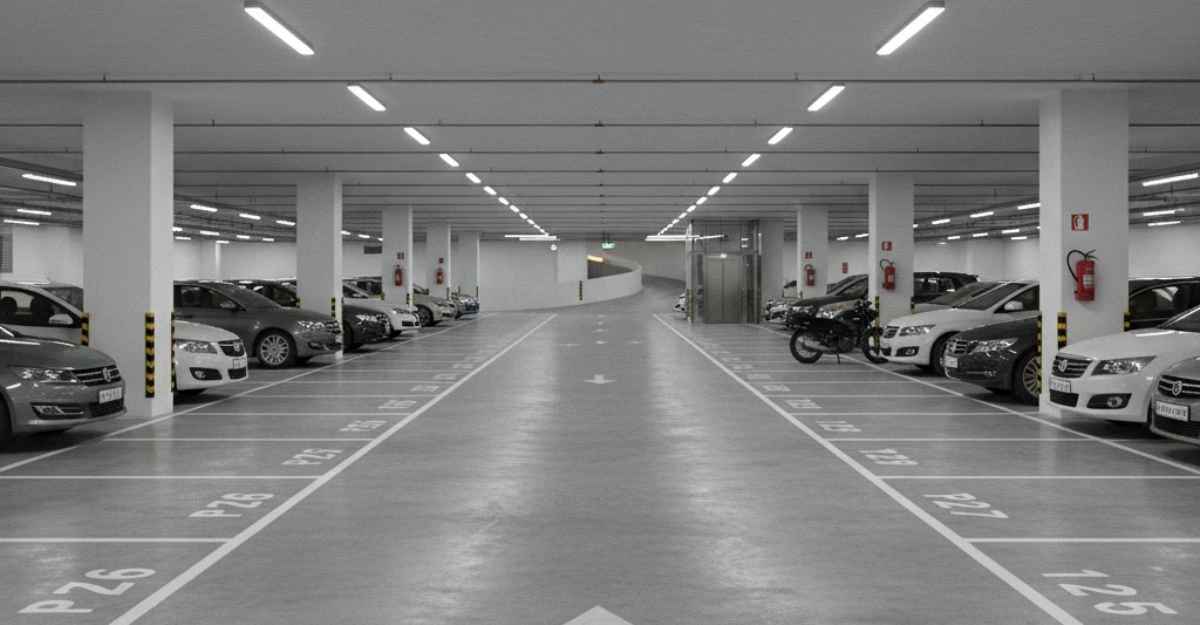


Housing societies use parking rules to make sure residents stick to their allotted spaces and avoid blocking shared areas. These rules help maintain free movement in driveways and emergency paths. Residents need to register their vehicles, keep their spots tidy, and respect visitor parking guidelines. When everyone cooperates, parking works smoothly and issues are rare.

Why Clear Parking Rules in Housing Society Matter?
Parking rules in housing society are essential for smooth living in any apartment or gated community. When parking spots are misused, driveways get blocked, visitor vehicles pile up, and emergency access can even be compromised. Builders and Resident Welfare Associations face disputes, residents get frustrated, and overall harmony suffers.
From a legal perspective, society parking spaces are often “common areas” and their misuse may lead to compliance issues. A clear set of parking rules helps define everyone’s rights and responsibilities, reduces friction among neighbours, and ensures fair use of the limited parking space.
Parking Rules in Housing Society : Residents Should Know
Here are some standard parking rules in housing society that most communities adopt:
- Park within your allocated spot: Always use the marked boundaries of your space so you don’t encroach on a neighbour’s spot.
- Keep common areas clear: Do not park in front of driveways, fire lanes, pedestrian paths or near emergency exits. Blocked areas can become a hazard.
- Maintain cleanliness: Avoid oil leaks, litter in the parking area, or leaving non-vehicle items in your space. This helps maintain the overall look and hygiene.
- Reduce noise and disturbance: Don’t honk unnecessarily, don’t idle vehicles for long, and avoid actions that cause annoyance in parking zones.
- Register your vehicle with the society/RWA: Many societies ask residents to submit vehicle details and display a sticker or tag for authorised access.
- Visitor parking etiquette: Use the designated visitor parking spots and follow any rules for guest vehicles (timing, registration, fee).
These rules form the baseline for what residents and the management should ensure in the parking area.
Read also: Car Parking Rules in Apartments
Legal Guidelines Behind Parking Rules in Housing Society
Understanding the legal framework helps a lot when dealing with parking disputes. By law and guideline:
- Builders are required to provide a minimum number of parking spaces as per the approved building plan. The parking area then becomes a part of the society’s common amenities.
- According to the RERA Act, 2016 ( Real Estate Regulation and Development Act) and various court rulings, open or stilt parking spaces are typically considered common areas and cannot be sold separately from the flat unless clearly stated.
- The Model Building Bylaws, 2016 recommend a parking ratio of two “Equivalent Car Spaces” per 100 m² of floor space, which often translates to one space for a 3BHK, two for a 4BHK and size standards. For example, a 4-wheeler slot might be around 2.5 m wide × 5 m long, and about 1.2 m × 2.5 m for two wheelers.
- In states like Maharashtra, where the Maharashtra Ownership Flats Regulation of the Transfer Act 1963 applies, societies follow bylaws that permit them to create parking allotment rules, number the slots, and collect parking charges.
Thus, when your society implements parking rules in housing society, they must align with both internal bylaws and external statutory norms.
Read also: Parking Allotment Rules for Builders
How Housing Societies Can Manage Parking Effectively?
Here’s how an RWA or society committee can improve parking rules in housing society and make them fair for everyone:
Transparent allocation process
Decide how spots are allotted (e.g., one spot per unit, lottery or first‐come basis) and publish the criteria.
Mark and number all slots clearly
Ensure every parking space (car/two-wheeler/visitor) is demarcated and numbered so it's clear to all.
Issue vehicle stickers or tags
Register vehicles and issue stickers so security can manage entry, and unauthorised parking is reduced.
Set and review parking fees
The society can charge for parking based on vehicle type, usage, etc., and should review these fees annually.
Reserve visitor parking
Allocate a fixed percentage of spaces for guests and ensure those spots aren’t used by residents permanently.
Educate residents about rules
Use notice boards or community app messages to remind residents about parking rules in housing society and encourage compliance.
Monitor and enforce
Use CCTV, lock repeated violator vehicles, or impose fines (as per society bylaws) to maintain discipline.
By following these practical steps, your society can reduce parking conflicts and make the parking area more orderly.
Read Also: What is Tandem Parking
Resident Responsibilities Under Parking Rules in Housing Society
As a resident, here are your key responsibilities when it comes to parking rules in housing society:
- Use only your allocated space: Don’t occupy someone else’s slot or double-park.
- Ensure your vehicle is properly parked: Within markings, not projecting into drive lanes, not blocking others.
- Inform the RWA about your vehicle: Submit RC/book and display sticker if required.
- Avoid parking in visitor or common zones unless authorised.
- Keep the area clean: Don’t leave oil drums, tools, or other items in your parking spot; report vehicle leaks promptly.
- Follow fee payments: If the society charges parking fees, ensure you pay on time. Many rules say the fee is payable even if you don’t use the slot.
- Report issues: If you see unauthorised parking, blocked paths or safety concerns, inform the RWA or managing committee.
By doing your part, you contribute to a better community and make it easier for everyone to enjoy the parking facility.
Common Parking Issues and Solutions
Understanding Parking Issues and Solutions in Housing Societies is essential for smoother community living. The following table outlines frequent challenges and the recommended steps to address them effectively.
| Issues | Suggested actions |
| Unauthorised vehicles using spots | Maintain a guest-vehicle register, issue visitor passes, and mark visitor slots clearly. |
| Residents using multiple slots | Enforce “one slot per unit” or define an extra slot policy, review annually. |
| Parking area becomes a storage spot | Society should issue a notice, clean up unused items, and set a rule prohibiting storage in parking areas. |
| Vehicles blocking emergency driveways | Mark fire-lift exits and fire-lanes in paint, print rules in the resident handbook, and monitor via CCTV. |
| Disputes over parking fees or slot ownership | Ensure parking fees are agreed upon in the General Body meeting, maintain minutes, and clearly communicate to all. |
By proactively addressing these common problems, the parking experience improves for all residents.
Parking Management by NoBrokerHood
NoBrokerHood provides a platform that helps societies manage daily tasks, including parking rules in housing societies, with more clarity and less confusion. The RWA can publish the parking policy, share allotment maps, issue parking-fee invoices, and send reminders. This keeps residents informed about the rules and their allotted spaces.
Residents can also submit vehicle details, report parking violations, and track visitor parking. With these digital tools combined with your society’s bylaws, parking becomes smoother, fairer and easier to manage.
All Solutions by NoBrokerHood:
