Apartment Resident Rights in India
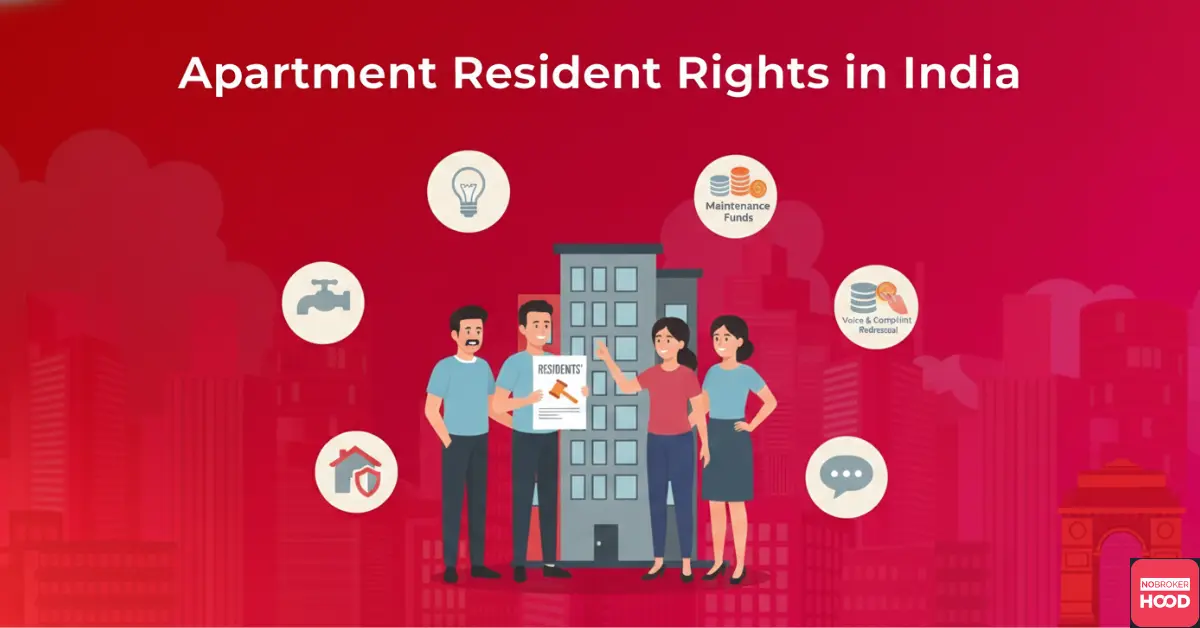
Apartment resident rights in India protect people living in flats from unfair treatment, unsafe living conditions, and illegal eviction. These rights cover privacy, basic amenities, fair rent practices, and proper maintenance, while also requiring residents to follow society rules and bylaws.
What Is the Purpose of Apartment Resident Rights?
Apartment resident rights are legal and practical protections given to people living in apartments, whether owned or rented. These rights ensure safe housing, access to essential services, fair treatment, and freedom from harassment or sudden eviction.
In India, apartment resident rights apply within housing societies, gated communities, and standalone apartment buildings. They work alongside society’s bylaws, state tenancy laws, and basic constitutional protections.
Why Apartment Resident Rights Matter?
Knowing apartment resident rights helps residents avoid confusion and unnecessary conflict. Many disputes arise simply because people are unaware of what is allowed and what is not.
These rights matter because they:
- Protect residents from unsafe or unhygienic living conditions
- Ensure peaceful enjoyment of one’s home
- Encourage fair behaviour from landlords and society committees
- Promote accountability within apartment communities
When residents understand their rights, societies function more smoothly.
Key Laws Governing Apartment Resident Rights in India
Apartment resident rights in India are supported by multiple legal frameworks:
- Rent Control Acts (State-specific): Protect tenants from excessive rent hikes and unfair evictions.
- Model Tenancy Act 2020: Defines landlord and tenant responsibilities clearly and promotes written agreements.
- Co-operative Societies Acts: Regulate housing society membership, management, and dispute resolution.
- Apartment Ownership Acts: Govern ownership rights, common areas, and association formation.
While laws vary by state, most ensure residents are not denied basic amenities, privacy, or fair treatment, even within private housing societies. Society bylaws further define rules around common areas, parking, noise levels, and maintenance responsibilities.
Key Rights of Apartment Residents
Apartment resident rights cover everyday living conditions and long-term security. Below are the most important ones every resident should know.
Right to a Written Agreement and Documentation
One of the most important apartment resident rights is the right to a clear, written agreement.
Residents have the right to:
- A signed rental or ownership agreement outlining terms
- Clearly stated rent amount, security deposit, duration and notice period
- Written rules related to maintenance and facilities
- Receipts for rent, deposits, and maintenance payments
Proper documentation helps prevent disputes and protects both residents and landlords in case of disagreement.
Read also: What Rights do Tenants have Without Lease in Housing Society
Right to Privacy and Safety
Apartment resident rights strongly protect privacy and personal space. A landlord cannot enter a rented flat without prior notice, usually at least 24 hours, except during genuine emergencies. This right applies to rented and owned apartments.
Residents also have the right to:
- Live without constant surveillance
- Protection from harassment or intimidation
- Reasonable security measures in the housing society
- Controlled access to visitor logs, used only when necessary
Management committees must balance security needs with respect for individual privacy.
Right to Basic Amenities and Services
Residents are entitled to essential amenities that are required for daily living.
These include:
- Continuous water and electricity supply
- Waste management and sanitation services
- Safe lifts, staircases, and lighting in common areas
- Use of common facilities like parking, clubhouse, gym, or garden
Societies cannot deny essential services due to disputes or delayed payments. Such actions are considered unlawful. Safe and habitable living conditions are a basic apartment resident right.
Fair Rent, Security Deposit, and Payment Rights
Residents have the right to reasonable rent and transparent payment practices. Rent increases must follow the agreement or applicable rent control laws.
Security deposits must be refunded as per the agreement, usually within a month of vacating the property, after adjusting dues, if any. Residents are also entitled to receipts for every payment made, whether digitally or in cash. Digital accounting systems used by many societies help ensure transparency and clarity.
Repairs and Maintenance Rights
The landlord or society must address structural issues, plumbing problems, electrical faults, and safety-related repairs. Residents should not be expected to live with leaking ceilings or unsafe wiring. Regular upkeep ensures dignity and safety.
Protection From Illegal Eviction
No resident can be forced to vacate without due legal process. Lockouts, harassment, or utility cut-offs are not legal ways to evict a resident. Proper notice and lawful grounds are mandatory.
Eviction is typically allowed only in cases such as:
- Continuous non-payment of rent
- Serious violation of society rules
- Subletting without permission
- Owner requiring the property for personal use
Even then, eviction must follow legal procedures and court approval where required.
Access to Common Areas and Parking Rights
Residents have the right to use common facilities such as lifts, staircases, parks, parking areas, and clubhouses, subject to society rules.
This includes:
- Parking space allocation with stickers or badges
- Entry and exit access without unreasonable restrictions
- Use of shared amenities for personal and guest use
- Fair allocation without discrimination
Access to common areas cannot be denied arbitrarily.
Read also: Society Parking Rules for Tenants
Membership and Non-Discrimination Rights
Every apartment owner has the right to be a member of the apartment association. Tenants are usually treated as associate members and should not face discrimination.
Apartment resident rights ensure equal treatment regardless of ownership status, family type, or background. Associations cannot impose arbitrary restrictions on guests, pets, or daily routines unless supported by law or bylaws. Transparency in member lists and committee decisions is also a resident right.
Read also: Apartment Pet Laws in India
Responsibilities That Come With These Rights
Apartment resident rights come with shared responsibilities. Residents are expected to:
- Pay rent and maintenance charges on time
- Follow society bylaws and community rules
- Maintain cleanliness in common and private spaces
- Respect neighbours’ privacy and peace
- Avoid damage to common property
Balanced responsibility keeps communities harmonious.
Common Issues Faced by Apartment Residents
Despite legal protections, residents often face issues such as:
- Sudden rent hikes without notice
- Delay in security deposit refunds
- Restrictions on guests or parking
- Maintenance neglect
- Conflicts over noise or common areas
Many of these can be resolved through better awareness and communication.
Read also: Can a Housing Society Refuse Bachelors?
How Apartment Residents Can Protect Their Rights?
Residents can take simple steps to protect their apartment rights:
- Always keep written records and receipts
- Read society bylaws carefully
- Raise concerns formally, not verbally
- Attend society meetings when possible
- Use digital platforms for transparency
Clear documentation reduces misunderstandings.
Where Can an Apartment Resident Seek Help?
Seeking timely help prevents escalation. If issues remain unresolved, residents can approach:
- Management Committee
- Registrar of Cooperative Societies for society-related disputes
- Civil courts for tenancy and property disputes
- Local police for harassment or illegal actions
- Legal professionals for agreement-related advice
Documenting issues and communication is always recommended.
How NoBrokerHood Supports Apartment Communities
NoBrokerHood supports apartment resident rights by helping societies follow transparent and rule-based processes. Digital records of maintenance payments, rent receipts, notices, and complaints create clear proof for residents, which is important during disputes related to services, payments, or access to common facilities.
By maintaining verified resident data, visitor logs, and documented communication between residents and management committees, NoBrokerHood helps ensure privacy, fair treatment, and accountability while reducing misunderstandings that often lead to rights violations.
All Solutions by NoBrokerHood:
FAQs
Apartment resident rights include privacy, access to essential amenities, fair rent practices, security deposit protection, and protection from illegal eviction, along with equal access to common facilities.
No. Apartment residents have the right to privacy. Entry without consent is allowed only during genuine emergencies or as mentioned clearly in the agreement.
While oral agreements exist, a written agreement is strongly recommended. It protects the rights of apartment residents by clearly defining rent, deposit, and responsibilities.
Societies can set reasonable rules, but bans may violate the rights of the residents. Restrictions should be lawful, fair, and clearly documented.
Start by sending a written request. If unresolved, residents can approach legal authorities or seek mediation using documented proof.