Housing Society Bylaws for Internal Repairs: A Comprehensive Overview
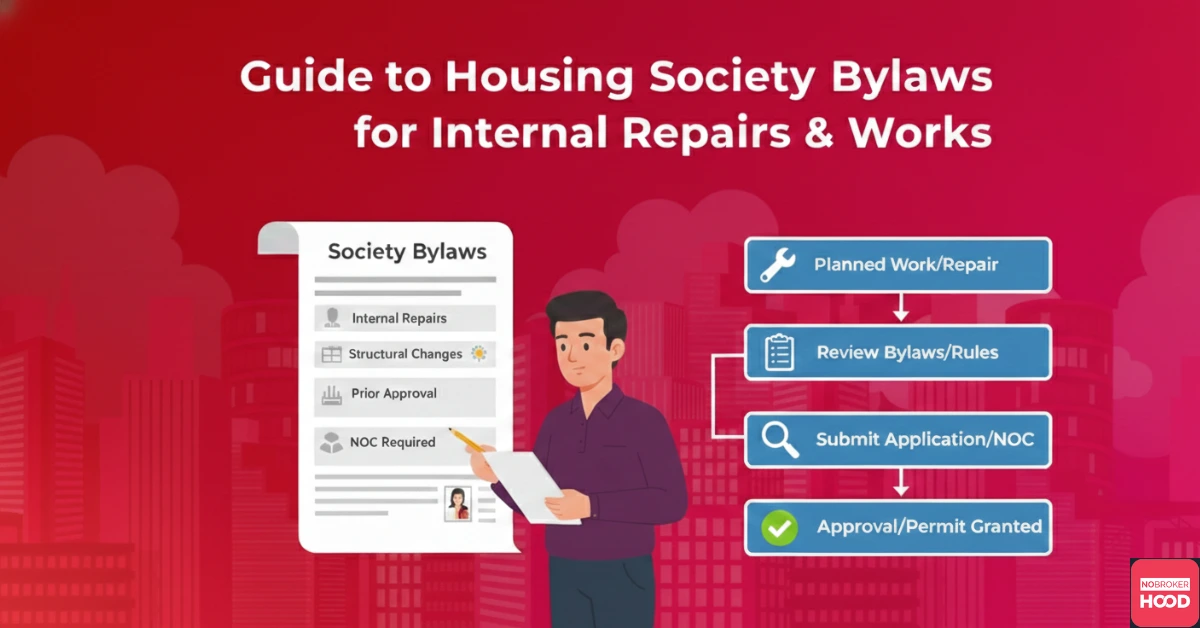
Living in a shared community, whether it be an apartment complex, a gated neighbourhood, or a housing society, often means adherence to certain rules and regulations. Among these, society’s bylaws play a crucial role in maintaining harmony and order within the community. One aspect covered by these bylaws is the regulations surrounding internal repairs within the premises. In this blog, we delve into the significance of society bylaws concerning internal repairs and the implications they carry for residents.
Understanding Society Bylaws
Society bylaws are a set of rules and regulations established by the management committee or association of a residential community. These bylaws are designed to govern various aspects of community living, including maintenance, security, conduct, and internal repairs. They serve as a framework for maintaining the smooth functioning of the society and resolving disputes among residents.
Maintaining Order and Harmony within Communities
Society bylaws play a crucial role in maintaining order and harmony within communities by establishing clear rules and expectations for residents to follow. These bylaws serve as a set of guidelines that govern behaviour, interactions, and activities within the community. By providing a framework for acceptable conduct, society’s bylaws help prevent conflicts, reduce misunderstandings, and promote a sense of cohesion among residents. This fosters a positive living environment where individuals feel safe, respected, and valued within their community.
Establishing Guidelines for Various Aspects of Community Living
Another vital role of society’s bylaws is to establish guidelines for various aspects of community living. These guidelines cover a wide range of topics, including but not limited to:
- Maintenance and Repairs: Bylaws may outline responsibilities for maintaining individual properties as well as common areas within the community. They may specify procedures for conducting repairs, obtaining permission for renovations, and ensuring compliance with safety standards.
- Use of Amenities: Society bylaws often dictate the rules and regulations governing the use of community amenities such as parks, swimming pools, gyms, and common rooms. This ensures fair access to amenities for all residents and prevents misuse or abuse of communal resources.
- Noise and Nuisance: Bylaws typically address issues related to noise levels, disturbances, and nuisance behaviour within the community. Clear guidelines help residents understand acceptable noise levels, quiet hours, and behavioural expectations, thereby promoting a peaceful and respectful living environment.
- Pets and Animals: Regulations regarding pet ownership, pet behaviour, and animal control are commonly addressed in society’s bylaws. These guidelines help prevent conflicts between pet owners and non-pet owners and ensure the safety and well-being of both residents and animals.
- Parking and Traffic: Bylaws may include provisions related to parking regulations, traffic management, and vehicle restrictions within the community. These guidelines help maintain safety, prevent congestion, and ensure fair allocation of parking spaces for residents and visitors.
Providing a Framework for Resolving Disputes
Inevitably, conflicts and disputes may arise within communities due to differences in opinion, misunderstandings, or violations of bylaws. Society bylaws provide a framework for resolving disputes in a fair, transparent, and efficient manner. This may involve mechanisms such as mediation, arbitration, or adjudication by the management committee or designated authority. Clear procedures for dispute resolution help prevent escalation of conflicts, foster communication and understanding among residents, and uphold the principles of justice and equity within the community.
Also Check: Bylaws of Cooperative Housing Society
What is Meant by Internal Repairs?
Definition of Internal Repairs
Internal repairs refer to maintenance or renovation works carried out within the confines of individual residential units. These repairs are typically aimed at addressing issues or damages within the interior spaces of homes, apartments, or other dwellings. Unlike external repairs, which involve the structural elements or common areas of a building, internal repairs focus specifically on the interior components of a residence.
Examples of Internal Repair Works
Internal repair works encompass a diverse range of tasks aimed at maintaining or enhancing the functionality, safety, and aesthetics of residential interiors. Some common examples include:
- Plumbing Repairs: Fixing leaks, repairing faulty pipes, or replacing worn-out fixtures such as taps and faucets.
- Electrical Repairs: Rectifying electrical faults, replacing faulty wiring, or repairing malfunctioning electrical appliances.
- Painting and Decorating: Repainting walls, ceilings, or woodwork to refresh the appearance of interiors and conceal signs of wear and tear.
- Flooring Repairs: Repairing or replacing damaged flooring materials such as tiles, hardwood, laminate, or carpeting.
- Carpentry Work: Repairing or replacing damaged doors, windows, cabinets, or built-in furniture.
- Plastering and Drywall Repairs: Patching up holes, cracks, or dents in walls or ceilings to restore smooth surfaces.
- Fixture Replacements: Upgrading or replacing outdated fixtures, fittings, or appliances to improve functionality and energy efficiency.
Important Society ByLaws for Internal Repairs: Understanding How Communities Work
Living in a shared community means following certain rules to keep things running smoothly. Society’s bylaws are like a guidebook that tells everyone how to behave and what they can or cannot do. Let’s take a closer look at some important rules in these bylaws and what they mean for people who live in the community.
Permission and Approval Process
Before you make any big changes in your home, like fixing something or renovating, you usually have to ask for permission from the people in charge of the building. This is to make sure that whatever you’re planning to do is safe and won’t cause problems for everyone else who lives there. It’s all about showing respect for everyone’s safety and making sure the place looks nice for everyone.
Qualified Professionals Requirement
When it comes to fixing things in your home, it’s important to hire people who know what they’re doing. The rules often say that only qualified professionals should do repair work. This is to make sure that everything gets fixed properly and nobody gets hurt. Plus, if something goes wrong, you have someone to hold accountable for it.
Noise and Disruption Regulations
Nobody likes loud noises, especially when they’re trying to relax at home. The rules usually have times when you can make noise and times when you need to keep things quiet, especially during repairs. It’s all about being considerate to your neighbours and letting them enjoy their peace and quiet.
Safety Measures and Compliance Protocols
Staying safe is really important, especially when doing repair work. The rules make sure that everyone follows safety rules like wearing helmets or using safety equipment. This keeps everyone safe and prevents accidents from happening.
Dispute Resolution Mechanisms
Sometimes, things don’t go as planned, and disagreements happen. The rules have ways to solve problems and settle disputes. This might involve talking things out calmly or getting help from someone else to find a fair solution. It’s all about making sure everyone gets along and things stay peaceful.
Maintenance Responsibility
Society bylaws typically outline the responsibilities of residents regarding the maintenance of their individual units. This includes regular upkeep as well as timely repairs of any damages or faults within the property. By clearly defining maintenance responsibilities, society’s bylaws ensure that residents contribute to the overall well-being and appearance of the community.
Approval Process for Structural Changes
In cases where internal repairs involve structural changes or modifications to the layout of the property, society bylaws often require residents to obtain special approval from the management committee. This ensures that any alterations comply with building regulations, do not compromise structural integrity, and do not adversely affect neighbouring units or common areas.
Compliance with Building Codes and Regulations
Society bylaws typically mandate compliance with relevant building codes, regulations, and standards when undertaking internal repair works. This includes adherence to safety codes, fire regulations, zoning laws, and any other legal requirements applicable to construction and renovation activities. By ensuring compliance with these regulations, society’s bylaws uphold safety standards and legal obligations within the community.
Reporting Requirements for Repairs
Residents are usually required to promptly report any maintenance issues or repair needs to the management committee or designated authority. This allows for timely assessment and action to address the problem, preventing further damage and ensuring the timely resolution of repair issues. By reporting repairs promptly, residents contribute to the overall maintenance and upkeep of the community.
Enforcement and Penalties
Society bylaws typically include provisions for enforcement and penalties in cases of non-compliance with internal repair regulations. Penalties may include fines, suspension of privileges, or other disciplinary measures. Enforcement of bylaws ensures accountability and encourages residents to adhere to established guidelines, thereby maintaining order and harmony within the community.
Also Check: How to Register Your Housing Society
Importance of Compliance and Consequences of Non-Compliance
Benefits of Adhering to Society Bylaws
- Safety and Security: Adhering to society’s bylaws ensures the safety and security of residents within the community. By following regulations related to internal repairs, residents can prevent accidents, mitigate risks, and maintain a secure living environment.
- Property Value Preservation: Compliance with bylaws helps preserve the value of residential properties. Proper maintenance and adherence to repair regulations ensure that properties remain in good condition, enhancing their appeal to potential buyers and investors.
- Community Harmony: Compliance fosters harmony and mutual respect among residents by promoting consistency and fairness in the enforcement of rules. When everyone follows the same set of guidelines, conflicts and disagreements are minimised, contributing to a positive and cohesive community atmosphere.
- Environmental Sustainability: Compliance with bylaws may include provisions for environmentally sustainable practices in repair and maintenance activities. This can help reduce resource consumption, minimise waste generation, and mitigate the environmental impact of residential operations, contributing to broader sustainability goals.
Consequences of Failing to Comply with Bylaws
- Safety Risks: Non-compliance with internal repair regulations can pose significant safety risks to residents and property. Substandard repair work or failure to adhere to safety protocols may result in accidents, injuries, or property damage, endangering the well-being of individuals within the community.
- Legal Liability: Residents who fail to comply with society’s bylaws may face legal liability for any damages or injuries resulting from their actions. In cases where non-compliance leads to disputes or legal proceedings, individuals may incur financial penalties, legal fees, or other legal consequences.
- Community Disruption: Non-compliance with repair regulations can disrupt the harmony and functioning of the community. Noise disturbances, disputes over unauthorised modifications, or neglect of maintenance responsibilities can strain relationships among residents and create tension within the community.
- Diminished Property Value: Properties that fall into disrepair or fail to meet maintenance standards due to non-compliance with bylaws may experience a decline in value. This can affect not only the individual property owner but also neighbouring properties and the overall attractiveness of the community to potential buyers.
- Loss of Privileges: In some cases, non-compliance with society’s bylaws may result in the loss of privileges or amenities within the community. Residents who repeatedly violate regulations or refuse to address maintenance issues may face sanctions such as fines, suspension of access to communal facilities, or even eviction from the community.
Also Check: TDS on Society Maintenance Charges
Sample Letter to Society for Renovation of Flat
[Your Name]
[Your Address]
[City, State, Postcode]
[Email Address]
[Phone Number]
[Date]
[Name of Society or Apartment Complex]
[Address of Society or Apartment Complex]
[City, State, Postcode]
Dear [Society/Apartment Complex Name] Management Committee,
Subject: Request for Permission to Renovate Flat [Your Flat Number]
I hope this letter finds you well. I am writing to formally request permission to carry out renovation works in my flat, [Your Flat Number], located at [Address of Your Flat], within the [Society/Apartment Complex Name].
The proposed renovations include [brief description of the renovation works, e.g., painting walls, replacing flooring, upgrading fixtures, etc.]. These renovations are necessary to improve the functionality, aesthetics, and comfort of my living space.
I assure you that all renovation works will be conducted in compliance with the society’s guidelines and regulations. Specifically, I will adhere to the following:
- Engage licensed contractors: I will hire qualified professionals to carry out the renovation works, ensuring quality craftsmanship and adherence to safety standards.
- Timely completion: I will strive to complete the renovations within the agreed-upon timeframe to minimise inconvenience to other residents.
- Noise and disruption: I will take measures to minimise noise and disruption during the renovation process, adhering to quiet hours and scheduling noisy activities during non-peak hours.
- Safety precautions: I will implement safety measures to prevent accidents and ensure the safety of residents and workers involved in the renovation works.
- Cleanliness and waste disposal: I will maintain cleanliness within the premises and ensure proper disposal of construction debris and waste materials.
I understand that approval from the management committee is required before commencing any renovation work. Therefore, I kindly request you to review my proposal and grant permission for the renovations as soon as possible.
Please find attached detailed plans and specifications for the proposed renovations, along with any necessary supporting documents. I am also available to discuss any concerns or questions you may have regarding the renovation project.
Thank you for considering my request. I appreciate your cooperation and assistance in this matter.
Yours sincerely,
[Your Name]
[Your Signature]
[Attachments: Detailed plans and specifications for the proposed renovations]
Also Check: Housing Society Rules and Regulations for Tenants
Society Rules for Flat Renovation Time Limit and Working Hours
Society rules for flat renovations in housing societies emphasise prior approval, scheduled working hours, and minimal disruption to residents. These guidelines, under the Karnataka Apartment Ownership Act and model bylaws, typically restrict noisy work to daytime hours like 9 AM–5 PM on weekdays. Owners must submit a formal request to the association for permission.
Permitted Working Hours
Renovation work is allowed only during designated non-peak times to respect quiet hours. Common limits include 9 AM to 6 PM Monday to Saturday, with no work on Sundays or holidays. Noisy activities like drilling must end by 5 PM.
Approval Requirements
Submit a detailed letter to the society secretary outlining the scope, timeline, contractors, and safety plans. Approval is usually granted within 15–30 days if compliant; structural changes need an engineer’s certification. No NOC means no start.
Maintain Your Society’s Bylaws for Internal Repairs With NoBrokerHood
NoBrokerHood helps housing societies efficiently manage and enforce bylaws for internal repairs through a transparent, digital system. It simplifies approvals, ensures compliance, and reduces conflicts, making community management smoother and more organised.
| Aspect | Traditional Process | With NoBrokerHood |
| Repair Approval Requests | Manual letters and follow-ups | Digital requests with instant notifications |
| Documentation | Physical files and registers | Secure digital records |
| Contractor Verification | Difficult to track | Contractor details stored and verified |
| Repair Time Limits | Hard to monitor | Timelines tracked automatically |
| Noise & Safety Compliance | Resident complaints | Clear guidelines shared with residents |
| Communication | Phone calls & notices | App-based announcements and updates |
| Accountability | Limited transparency | Complete audit trail |
All Solutions by NoBrokerHood:
Frequently Asked Questions
Society bylaws for internal repairs are regulations established by the management committee or governing body of a residential community. These bylaws govern various aspects of internal repair works, including permissions, approvals, safety standards, noise regulations, and dispute resolution procedures.
Compliance with society’s bylaws ensures safety, maintains property values, fosters community harmony, and promotes sustainability. It also helps prevent disputes and legal liabilities arising from non-compliance.
NoBrokerHood provides a comprehensive platform for transparent communication, smooth approval workflows, and efficient management of internal repair activities, enabling residents to submit requests, track progress, and coordinate easily with society management.
NoBrokerHood offers features such as digital maintenance requests, approval workflows, real-time updates, community forums, and document management capabilities. These features empower residents to adhere to society’s bylaws and ensure timely and transparent handling of internal repair works.
Residents can access NoBrokerHood via the mobile app or web portal, register their housing society, invite members, submit repair or renovation requests, obtain approvals, and stay updated on internal repair activities.
Yes, NoBrokerHood is designed to cater to the needs of various types of residential communities, including apartments, housing societies, gated communities, and condominiums. Our society management software services is for all Whether small or large, NoBrokerHood can streamline internal repair management and ensure compliance with society’s bylaws.
Residents can visit the NoBrokerHood website or contact customer support for assistance. The platform also offers tutorials, guides, and FAQs to help users effectively manage internal repairs while complying with society’s bylaws.
In order to guarantee resident safety, compliance, and peaceful community living, housing society repair rules establish guidelines for internal repairs, renovation approvals, safety precautions, noise limits, and waste disposal.
In order to obtain official approval, notify management of repair work, guarantee rule compliance, and prevent disputes pertaining to noise, safety, or unauthorised renovations, a letter to society for the renovation of a flat is necessary.