





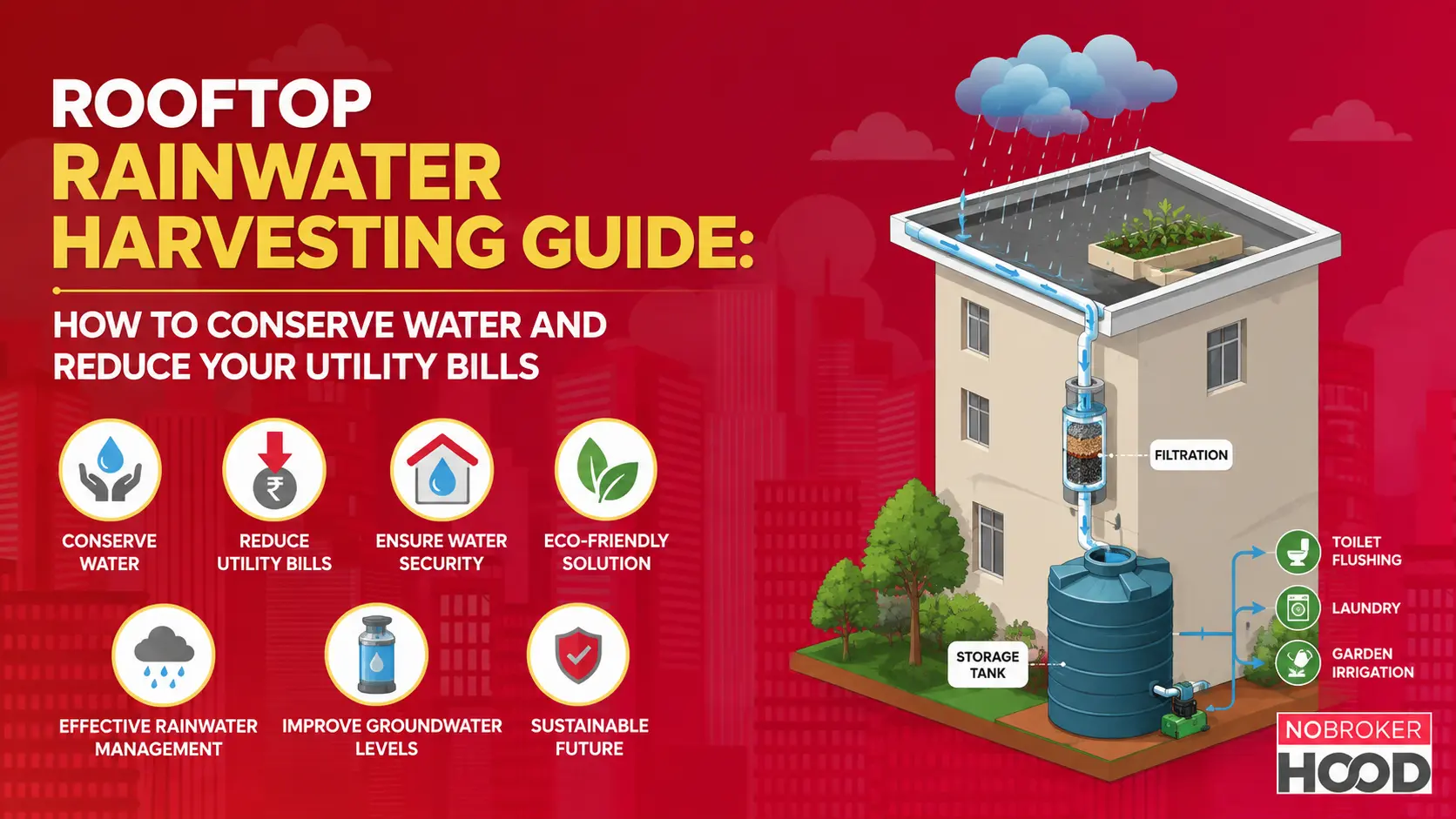


Rooftop rainwater harvesting is an innovative and sustainable method to conserve water by collecting and storing rainwater from rooftops for later use. With the increasing scarcity of water resources, roof water harvesting systems have gained significant importance as an efficient solution to address water shortages.

Let’s explore what rooftop rainwater harvesting is, its benefits, components, and maintenance tips for a sustainable future.
What is Rooftop Rainwater Harvesting?
Rooftop rainwater harvesting is a process of collecting and storing rainwater that falls on roofs. This water is directed through a network of pipes and filters into storage tanks or recharge pits. The harvested rainwater can be used for various purposes, including gardening, washing, and even potable uses after proper filtration.
By understanding roof water harvesting, you can reduce dependence on municipal water supply, save money on water bills, and contribute to groundwater recharge. A rooftop rainwater harvesting system is a cost-effective way to manage water sustainably.
Advantages of Rooftop Rainwater Harvesting
Rooftop rainwater harvesting offers numerous benefits, making it an essential practice for sustainable living. By adopting this method, households and communities can conserve water, reduce water bills, and contribute to the environment. Here are the detailed benefits of rainwater harvesting:
- Water Conservation: Saves water by reducing reliance on external sources.
- Groundwater Recharge: Prevents water table depletion.
- Cost-Effective: Lowers water bills and provides an alternative during shortages.
- Reduces Runoff: Minimizes urban flooding by managing rainwater efficiently.
- Eco-Friendly: Promotes sustainable living by reducing strain on natural water bodies.
Components of Rooftop Rainwater Harvesting
A rooftop rainwater harvesting system is composed of several essential components, each playing a critical role in the effective collection, filtration, and storage of rainwater. Below is a detailed breakdown of these components:
1. Catchment Area:
- The rooftop acts as the primary catchment area where rainwater is collected.
- Ensure the roof is clean and made of non-toxic materials to prevent contamination.
2. Gutters and Downspouts:
- Gutters are channels fixed along the edges of the roof to direct rainwater to downspouts.
- Downspouts are vertical pipes that carry water from gutters to the storage or filtration system.
- Proper installation prevents water spillage and ensures efficient collection.
3. Filters:
- Filters remove debris, dust, and other impurities from the rainwater before storage.
- Types of filters include:
- Mesh Filters: Used to trap larger debris like leaves and twigs.
- Sand Filters: Effective for removing smaller particles and sediments.
- Charcoal Filters: Improves water quality by removing odors and organic impurities.
- UV Filters: Used for purifying water intended for drinking.
4. Storage Tanks:
- Tanks store harvested rainwater for future use.
- They should be made of durable materials, be sealed to prevent contamination, and have an outlet for overflow.
5. Pipes and Conveyance System:
- These transport rainwater from the roof to filters and storage tanks.
- Use corrosion-resistant materials to ensure durability and efficiency.
6. First Flush Diverter:
- A critical component to ensure water quality.
- It diverts the initial flow of rainwater, which may contain dirt and pollutants, away from the storage tank.
7. Recharge Pits and Trenches:
- Designed for groundwater recharge by allowing filtered rainwater to percolate into the ground.
- Recharge pits are lined with layers of gravel and sand to aid filtration.
8. Overflow Mechanism:
- Prevents storage tanks from overflowing during heavy rains.
- Ensures excess water is directed to recharge pits or stormwater drains.
9. Monitoring and Control Systems:
- Automated systems that monitor water levels, quality, and flow rate can enhance efficiency.
- Sensors and alarms can alert users to maintenance needs or overflows.
Each of these components is vital to the functioning of a rooftop rainwater harvesting system. Proper installation and maintenance of these components ensure optimal performance and water conservation.
Types of Rainwater Harvesting
Rainwater harvesting can be categorized into several methods, each designed to suit different needs and environments. Below is a detailed explanation of the types of rainwater harvesting:
1. Surface Runoff Harvesting
This method collects rainwater that flows over the ground surface. It is particularly effective in urban areas where surface water can be directed into storage structures or recharge pits. The stored water can be used for irrigation or replenishing groundwater levels.
2. Rooftop Rainwater Harvesting
This is the most common and efficient type of rainwater harvesting. Rainwater is collected directly from rooftops and stored in tanks or directed to recharge pits. A rooftop rainwater harvesting system is easy to implement and is ideal for residential and commercial buildings.
3. Groundwater Recharge
This method focuses on directing excess rainwater into the ground to replenish aquifers. Recharge pits, trenches, or wells are constructed to allow water to seep into the ground, preventing runoff and increasing groundwater levels.
4. Infiltration-Based Harvesting
This involves capturing rainwater and allowing it to infiltrate into the soil, either naturally or through designed systems like percolation tanks or trenches. This method is highly effective in areas with low groundwater levels.
5. Check Dams and Storage Reservoirs
In rural and semi-urban areas, rainwater is often collected in check dams or reservoirs built across streams. This method not only stores water for later use but also supports irrigation and livestock.
6. Borewell and Well Recharge
This technique involves using rainwater to replenish existing borewells or wells. Rainwater is filtered and directed into these structures to recharge groundwater sources effectively.
Each type of rainwater harvesting serves a unique purpose and can be adapted to specific environmental and infrastructural conditions. Combining methods can maximize water conservation and storage efficiency.
Process of Rooftop Rainwater Harvesting
The process of rooftop rainwater harvesting involves several steps, ensuring efficient collection, filtration, and storage of rainwater. Here's a detailed explanation of how it works:
1. Rainfall Collection:
- Rainwater falls onto the rooftop, which acts as the primary catchment area.
- Ensure the roof is clean and free from debris before the rainy season to prevent contamination.
2. Conveyance Through Gutters:
- The rainwater is directed from the roof into gutters, which channel it to downspouts or pipes.
- Properly designed gutters prevent spillage and ensure smooth flow.
3. First Flush Diverter:
- The initial flow of rainwater, which may contain dirt, dust, and other pollutants, is diverted away using a first flush diverter.
- This step ensures only clean water enters the system.
4. Filtration:
- Rainwater passes through filters that remove debris, sediments, and contaminants.
- Multi-stage filtration systems, including mesh, sand, and charcoal filters, improve water quality.
5. Storage in Tanks:
- The filtered water is stored in tanks for future use.
- Storage tanks should be sealed and equipped with an overflow mechanism to handle excess water during heavy rains.
6. Groundwater Recharge:
- Excess water can be directed to recharge pits or trenches to replenish the groundwater table.
- Recharge structures are essential in areas prone to water scarcity.
7. Distribution for Use:
- Harvested water is distributed for non-potable purposes such as gardening, cleaning, and flushing toilets.
- With additional purification, it can also be used for drinking and cooking.
By following these steps, a rooftop rainwater harvesting system can be effectively implemented to conserve water and reduce dependence on external sources.
DIY Tips for Water Conservation with Rooftop Rainwater Harvesting
1. Install Rain Barrels
Place barrels under downspouts to collect rainwater efficiently and cost-effectively. Ensure the barrels have tight lids to prevent mosquito breeding.
2. Use Mesh Filters
DIY filters can be made using fine mesh fabric or stainless steel mesh to trap debris.
3. Build Recharge Pit
Create small pits lined with gravel and sand to allow rainwater to seep into the ground naturally. This can also help recharge groundwater effectively.
4. Repurpose Harvested Water
Use stored rainwater for non-potable needs such as watering plants, car washing, or cleaning floors.
5. Check for Leaks
Regularly inspect gutters, pipes, and storage tanks for cracks or leaks that can lead to water loss.
6. Create a Simple Overflow System
Redirect overflow from tanks to gardens or lawns to make the most of excess water.
7. Paint Storage Tanks
Use non-toxic, dark-colored paint to prevent algae growth and extend the lifespan of your storage system.
Maintenance Tips for Rooftop Rainwater Harvesting Systems
1. Clean Roofs and Gutters
Regularly clean the catchment area to remove leaves, dirt, and bird droppings.
2. Inspect Filters
Check filters every few months and clean or replace them as needed to ensure efficient filtration.
3. Seal Storage Tanks
Ensure tanks are airtight to prevent contamination and mosquito breeding.
4. Flush First Flush Diverter
Clear out any debris in the diverters to maintain water quality.
5. Monitor Recharge Pits
Check for sediment buildup in recharge pits and remove it periodically to ensure proper infiltration.
6. Test Water Quality
Periodically test the water quality for chemical and biological contaminants, especially if it’s used for drinking.
7. Check Pipes and Connections
Look for leaks or rust in pipes and replace damaged sections immediately.
Regular maintenance ensures the longevity and efficiency of your rooftop rainwater harvesting system, making it a reliable source of water.
Conservation Tips for Effective Rainwater Harvesting
1. Educate Your Community
Spread awareness about the importance and benefits of roof water harvesting.
2. Integrate Multiple Collection Points
Install rainwater harvesting points at multiple locations in your property for better collection.
3. Use Quality Materials
Invest in durable pipes, tanks, and filters to reduce long-term maintenance costs.
4. Harvest During Every Rain
Maximize collection by ensuring your system is always ready before rainfall.
5. Design for Overflow
Plan an effective overflow system to channel excess water to recharge pits or gardens.
6. Optimize Tank Capacity
Choose storage tanks that suit your household’s water needs to avoid wastage.
7. Incorporate Rooftop Rainwater Harvesting in New Constructions
Plan for a rainwater harvesting system during the design phase of new buildings.
Check Also: How to Make Hard Water Soft
Manage Your Society's Rainwater Harvesting System with NoBrokerHood
Setting up a rooftop rainwater harvesting system is only half the job; the real challenge for RWA/MC members is tracking installation costs, AMC payments, and recurring maintenance without losing paperwork or chasing residents for updates. NoBrokerHood's Society Accounting Software make this effortless for gated communities and apartment complexes:
- Digital Vendor Payments & Invoicing - Record RWH installation and AMC vendor payments digitally, with invoices stored for audits and BWSSB compliance checks.
- Maintenance Ticket Tracking - Residents can raise complaints (clogged filters, leaks, overflow issues) directly in the app, and MC members can assign and track resolution in real time.
- Expense Transparency for Residents - Every rupee spent on rainwater harvesting upkeep is visible to residents through transparent financial reporting, reducing disputes during AGMs.
- Announcements & Reminders - Notify residents about filter-cleaning schedules, pre-monsoon inspections, or system shutdowns via instant notices and push alerts.
- Document Storage - Keep RWH compliance certificates, contractor agreements, and inspection reports securely stored and accessible anytime.
With NoBrokerHood, managing a sustainable rainwater harvesting system becomes as simple as managing your society's day-to-day operations: no spreadsheets, no missed payments, no lost paperwork.
All Solutions By NoBrokerHood
