Pest Control for Housing Society
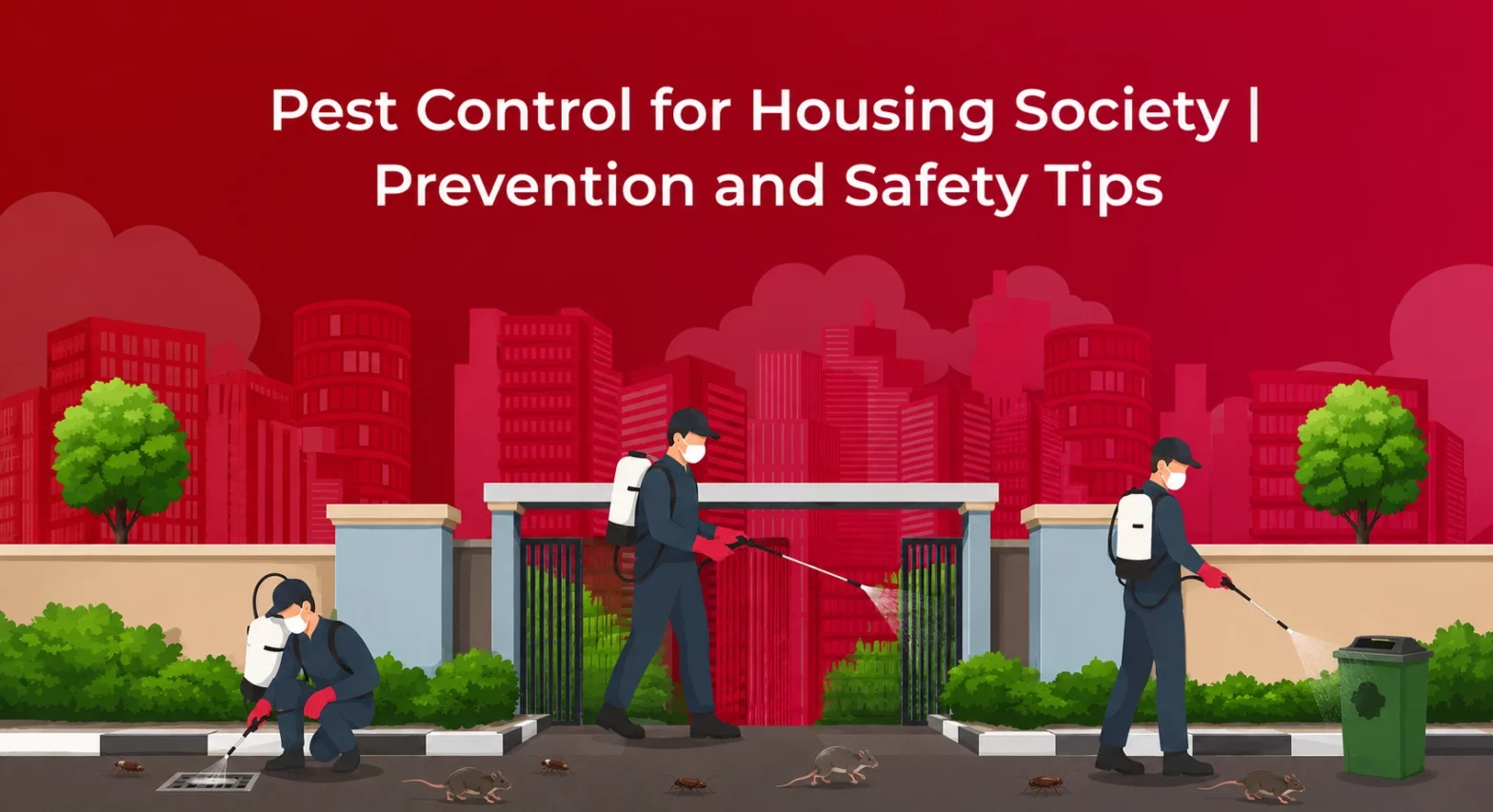
Pest problems in large housing societies can be difficult to handle, with mosquitoes, cockroaches, rodents and drainage insects spreading through common areas and into individual flats. Poor waste management, water stagnation, clogged drains and moisture in the basement often worsen the situation, especially during monsoon seasons. Pest control for a housing society is not a one-time spray task. It requires a planned preventive approach to cover drainage systems, garbage zones, gardens, basements and shared facilities. Through regular inspections, adherence to professional treatment schedules, and appropriate maintenance measures, housing societies can ensure cleaner, healthier and safer living conditions for all inhabitants.
Why Pest Control for Housing Society Is Important?
Pest control for housing society is not only about getting rid of insects from common areas. It has a direct relationship with public hygiene, the health of the residents, the upkeep of the infrastructure and general living comfort. Drainage lines, service shafts, basements, garbage points and common corridors allow rapid movement of pests in housing societies. So if a flat is infested, it will soon spread to many other flats.
Housing societies in India deal with changing weather conditions, dense residential layouts, open waste collection points, and water stagnation during monsoon seasons. These conditions create ideal breeding environments for mosquitoes, cockroaches, rodents, termites, and flies.
The housing societies in India also face problems like the changing climate, the clustered houses, open waste collection points and stagnant water at the monsoon. Such conditions provide breeding places for Mosquitoes, cockroaches, rats, termites, flies and other insects.
A society-wide pest management plan helps:
- Reduce health risks caused by mosquitoes and rodents
- Prevent damage to electrical wiring and wooden structures
- Improve cleanliness in shared spaces
- Avoid recurring infestations inside flats
- Maintain better resident satisfaction
This is why pest control for housing society should always be treated as a regular maintenance responsibility handled by the RWA or society management committee instead of individual flat owners alone.
Common Pest Problems Faced by Housing Societies in India
In most housing societies, pest issues are an ongoing problem year-round. The nature and intensity of which would vary according to climate, sanitation practices, drainage situations and upkeep. Some of the most common pests found in housing societies include:
Mosquitoes
Mosquitoes breed in stagnant water found in basements, terrace drains, fountains, and open containers. Monsoon seasons increase the risk significantly.
Cockroaches
Cockroaches commonly spread through sewage lines, kitchen shafts, garbage rooms, and drainage systems. They quickly move between apartments through pipelines and service ducts.
Rodents
Rats and mice are commonly found in basements, parking areas, gardens, and waste collection zones. They damage cables, contaminate surfaces, and spread infections.
Termites
Termites attack wooden structures, furniture, false ceilings, and storage spaces. Societies with garden areas or moisture problems are more vulnerable.
Flies and Drain Insects
Garbage accumulation, clogged drains, and poorly maintained wet waste areas attract flies and drain insects.
Birds and Pigeons
Pigeon infestations create hygiene problems in balconies, shafts, terraces, and window ledges. Bird droppings can damage surfaces and create respiratory concerns.
Regular pest control for housing society helps prevent these problems before they become large-scale infestations affecting multiple residents.
Which Areas in a Housing Society Need Regular Pest Control?
Many pest problems start in neglected common areas before spreading into residential units. Housing societies should focus on preventive treatment across all shared infrastructure.
Drainage and Sewage Lines
Drain lines are major breeding zones for cockroaches, drain flies, and rodents. Regular flushing and treatment help stop infestations from spreading into flats.
Basements and Underground Parking
Dark corners, stagnant water, and low movement areas attract rodents and mosquitoes. These spaces require frequent inspection and baiting systems.
Society Gardens and Parks
Garden areas often attract ants, ticks, mosquitoes, and burrowing rodents. Regular landscaping and treatment reduce nesting activity.
Staircases, Lobbies, and Service Shafts
These areas act as movement corridors for crawling insects. Routine treatment prevents pests from travelling between floors.
Garbage Rooms and Waste Collection Areas
Improper waste handling creates major pest activity. Garbage rooms require strict cleaning schedules and frequent disinfection.
Clubhouses and Common Amenities
Gyms, play areas, swimming pool surroundings, and indoor gathering spaces also require regular monitoring to maintain hygiene standards.
A structured pest control for housing society schedule should include all these areas instead of focusing only on visible infestations.
Essential Pest Control Services Every Housing Society Should Include in Its AMC
Societies opt for an Annual Maintenance Contract (AMC) for sustained pest management and to avoid emergency treatments. The RWA should clearly identify the services to be included in the contract.
Integrated Mosquito Management
Mosquito treatment should combine:
- Thermal fogging in open areas
- Larvicide treatment for stagnant water
- Drain treatment
- Water tank inspections
- Monsoon-focused preventive schedules
This helps control both adult mosquitoes and larvae breeding sources.
Rodent Baiting and Trapping
Large housing societies require:
- Tamper-resistant bait stations
- Basement rodent monitoring
- Rat guards for exposed pipelines
- Perimeter rodent control plans
Rodent management is especially important in parking zones and waste disposal areas.
Drain Flushing and Cockroach Control
Drain flushing helps remove cockroach nests from sewage systems before they spread into kitchens and bathrooms.
Societies should include:
- Main drain treatment
- Shaft spraying
- Cockroach gel application
- Odour control treatment
Anti-Termite Treatment
Anti-termite services should focus on:
- Building foundation protection
- Soil treatment
- Perimeter chemical barriers
- Vulnerable wooden structures
Early termite treatment helps avoid expensive structural damage later.
Bird Proofing
Bird control measures often include:
- Pigeon net installation
- Stainless steel spikes
- Balcony protection systems
- Shaft entry prevention
This helps maintain hygiene in high-rise residential communities.
Eco-Friendly Treatment Options
Many modern societies now prefer child-safe and pet-friendly treatment methods. RWAs should ensure all chemicals used are approved by the Central Insecticides Board (CIB) and follow safety standards.
A properly structured pest control for housing society AMC creates better long-term results than irregular short-term treatments.
Read also: Facility Management Services in Societies
How RWAs and Society Management Committees Can Plan Effective Pest Control?
A successful pest management plan requires coordination between residents, facility teams, and professional agencies.
Conduct a Complete Site Assessment
The first step is identifying:
- Existing infestations
- Structural vulnerabilities
- Water stagnation points
- Garbage management issues
- Rodent nesting zones
Professional agencies usually conduct inspections before designing treatment plans.
Verify Service Provider Credentials
The RWA should ensure the agency:
- Holds valid licenses
- Uses approved chemicals
- Follows safety protocols
- Has experience handling large residential societies
Choose the companies that are commonly known for handling institutional and residential society projects in India.
Create a Transparent Treatment Schedule
The AMC should clearly mention:
- Weekly or monthly treatments
- Monsoon fogging frequency
- Drain flushing schedules
- Rodent inspection timelines
- Emergency complaint handling
Clear scheduling improves accountability.
Inform Residents Before Treatments
Residents should receive advance notices before fogging or spraying activities. This allows them to:
- Close windows
- Move parked vehicles
- Keep pets indoors
- Avoid treated zones temporarily
Combine Pest Control with Civic Maintenance
Professional treatment works better when societies also:
- Fix leaking pipelines
- Cover garbage bins
- Seal shaft openings
- Maintain composting areas properly
- Avoid water stagnation
Pest control for housing society becomes more effective when preventive maintenance is treated as a daily responsibility.
Signs Your Housing Society Needs Immediate Pest Control Treatment
Some warning signs should never be ignored by the RWA or maintenance teams.
Common signs include:
- Frequent mosquito complaints
- Cockroaches appearing in multiple flats
- Rodent droppings in parking areas
- Foul smell near drainage lines
- Pigeon nesting in shafts and balconies
- Visible termite damage
- Fly infestations near garbage rooms
When multiple residents report similar issues at the same time, it usually indicates a larger common-area infestation problem.
Best Practices to Prevent Pest Infestations in Housing Societies
Preventive maintenance is always more effective and affordable than emergency treatment.
Here are some simple practices housing societies should follow:
- Clean common areas daily
- Keep drains unclogged
- Remove stagnant water regularly
- Maintain proper garbage segregation
- Seal service shaft gaps
- Trim overgrown garden areas
- Inspect basements frequently
- Schedule routine pest audits
Resident awareness also plays an important role. Societies should encourage residents to avoid throwing food waste in common spaces and report infestation signs early. Regular pest control for housing society works best when professional treatment and community participation happen together.
Monsoon Pest Control Tips for Residential Societies
Monsoon months create ideal breeding conditions for pests in housing societies.
During this period, societies should focus on:
- Weekly mosquito fogging
- Terrace drain cleaning
- Basement water removal
- Frequent garbage area disinfection
- Garden maintenance
- Sewage line inspections
RWAs should also monitor water storage tanks and fountain areas closely during rainy seasons. Many societies increase pest treatment frequency during monsoon months because mosquito and cockroach infestations rise sharply across shared spaces.
How Professional Pest Control Services Help Large Housing Societies
Large residential communities require planned pest management systems that individual flat treatments cannot handle effectively.
Professional agencies help societies by:
- Conducting detailed inspections
- Creating zone-wise treatment plans
- Handling large-scale fogging operations
- Managing rodent bait stations
- Monitoring recurring infestation patterns
- Providing trained technicians
Professional pest control for housing society also improves compliance, documentation, and treatment consistency across large housing societies.
Benefits of Regular Pest Control Services for Housing Societies
Regular maintenance offers long-term advantages for residents and management teams.
Key benefits include:
- Cleaner common areas
- Lower health risks
- Reduced mosquito breeding
- Better resident satisfaction
- Fewer emergency complaints
- Protection of shared infrastructure
- Improved hygiene standards
Consistent treatment also reduces the chances of severe recurring infestations.
Read also: What is Considered Emergency Maintenance in an Apartment
Track Complaints with NoBrokerHood
In large housing societies, pest issues often spread because complaints are reported informally and not tracked properly. Residents may report mosquito breeding, drainage insects, or rodent sightings multiple times, but without a structured system, follow-ups can get delayed.
NoBrokerHood is a society maintenance app that helps to simplify this through its complaint management feature. Residents can raise pest-related complaints directly on the platform, allowing maintenance teams and committees to monitor recurring issues more systematically.
How does this support pest control management in societies?
- Pest complaints stay properly logged and organised
- Maintenance teams can identify recurring problem areas faster
- Residents receive better visibility on complaint status and action taken
- Committees can coordinate pest control schedules more efficiently
This creates a more proactive approach to pest control for housing society communities, where issues can be addressed early before they spread across multiple common areas or flats.
All Solutions by NoBrokerHood:
FAQs
Most housing societies should schedule pest control services monthly. During monsoon seasons, mosquito and drainage treatments may need to be done more frequently, depending on infestation levels.
Drainage lines, basements, parking areas, garbage rooms, gardens, staircases, and service shafts require regular pest treatment because these are common breeding and movement zones for pests.
The Resident Welfare Association (RWA) or society management committee is generally responsible for arranging pest control for common areas and overall community hygiene management.
An AMC should include mosquito control, rodent management, drain flushing, cockroach treatment, anti-termite treatment, and bird-proofing services for shared spaces.
Regular drain cleaning, sealed garbage storage, rodent bait stations, pipe maintenance, and routine inspections help reduce cockroach and rodent activity in housing societies.
Monsoon weather increases water stagnation and moisture levels, creating ideal breeding conditions for mosquitoes, flies, cockroaches, and other pests across common areas.
Mosquitoes, cockroaches, rodents, termites, flies, ants, and pigeons are among the most common pest problems faced by housing societies in India.