Advantages and Disadvantages of Composting in Apartments
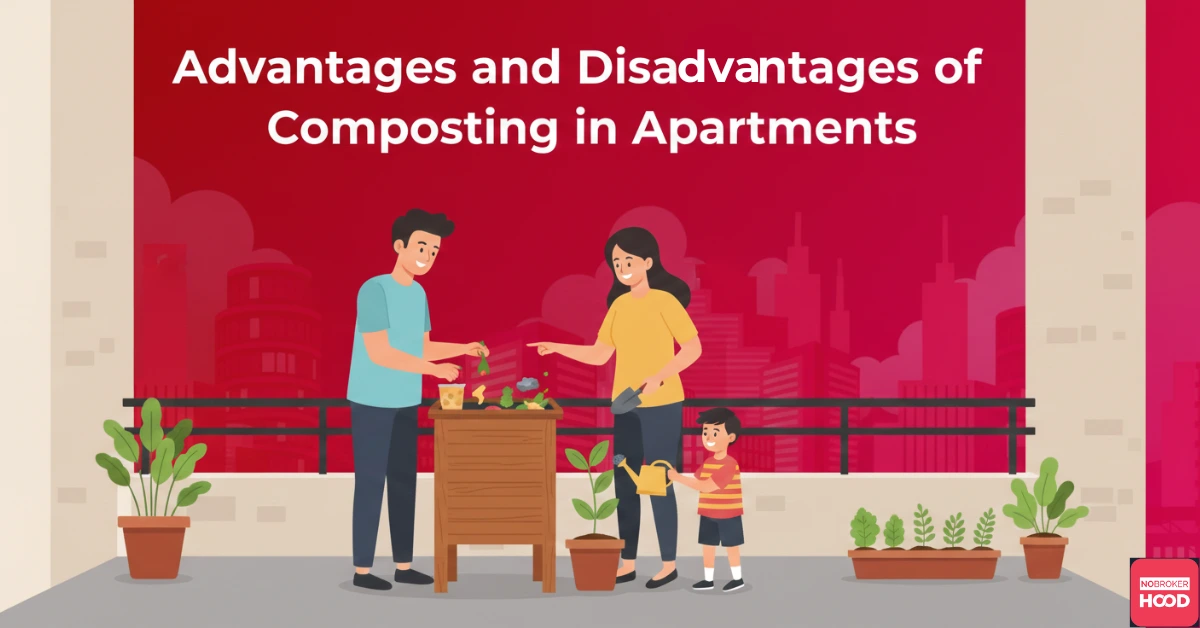
The advantages and disadvantages of composting depend on how it is managed. Composting reduces waste, improves soil health, and cuts fertiliser costs, but it needs time, space, and proper maintenance to avoid odour and pests. In Indian housing societies, composting is becoming a practical way to manage kitchen waste responsibly. With growing landfill pressure and stricter waste rules, many RWAs and residents are exploring simple composting systems that work even in apartments.
Why Composting Matters for Indian Housing Societies?
India generates millions of tonnes of organic waste every year. A large portion comes from kitchen scraps in apartments. When this waste goes to landfills, it produces methane, a harmful greenhouse gas.
Understanding the advantages and disadvantages of composting helps societies make informed decisions. Composting:
- Reduces landfill waste
- Supports on-site apartment waste management
- Improves soil for gardens and landscaped areas
- Encourages responsible living
For RWAs and gated communities, composting is not just about gardening. It directly impacts maintenance costs, sustainability KPIs, and resident participation levels.
Advantages of Composting in Apartments
Let us clearly understand the advantages and disadvantages of composting, starting with the benefits.
1. Environmental Impact
Composting diverts organic waste from landfills. This reduces methane emissions and lowers the carbon footprint of a housing society. When societies implement segregation and composting in apartment building setups, they comply better with Solid Waste Management Rules in India.
2. Better Soil Health
Compost improves soil structure and increases nutrients such as nitrogen, phosphorus, and potassium. It also improves water retention. Gardens in apartment complexes need less watering when compost is added regularly.
3. Cost-Effective Fertiliser
One of the strongest advantages and disadvantages of composting comparisons is cost. Compost acts as free fertiliser.
Societies save on:
- Chemical fertilisers
- Landscaping costs
- Soil conditioners
Over time, this supports budget optimisation and reduces recurring expenses.
4. Waste Reduction
Organic waste can form 50 to 60 percent of household garbage. Composting reduces daily wet waste collection volume. This lowers transportation costs and dependence on municipal systems.
5. Sustainability and Community Engagement
Composting creates awareness. Residents, children, and maintenance teams become more conscious of waste segregation. It closes the natural cycle by returning organic matter to the soil.
When evaluating the advantages and disadvantages of composting, the long-term environmental gains are significant.
Read also: Zero Waste Events
Disadvantages of Composting in Apartments
While the benefits are strong, it is important to understand the disadvantages clearly.
1. High Maintenance
Composting requires effort. You must balance greens and browns, check moisture, and turn the pile regularly. If ignored, the system may fail.
2. Odour and Pests
Improper composting can produce foul smells. Adding meat, dairy, oils, or pet waste may attract rodents and insects.
This is why understanding the advantages and disadvantages of composting before starting is important.
3. Time-Consuming
The process takes time. Natural composting may take 2 to 6 months. Residents looking for instant results may feel impatient.
4. Space Requirements
Traditional compost piles need space. In small apartments, this can be a challenge unless compact methods are used.
5. Initial Knowledge Required
Without basic knowledge, compost can become too wet or too dry. Poor aeration may release methane or hydrogen sulfide. Proper guidance is necessary.
Composting in Apartment Building: Is It Practical?
Yes, composting in apartment building settings is possible with compact systems.
You do not need a large backyard. Options include:
- Vermicomposting using red wiggler worms
- Bokashi method using a sealed bucket
- Small aerated bins for balconies
- Electric countertop compost units
These systems are suitable for urban Indian apartments. When residents understand the advantages and disadvantages of composting, they can choose the right method based on space, budget, and effort level.
How to Start a Compost in an Apartment
If you are wondering how to start a compost in an apartment, follow these simple steps:
Step 1: Choose a Container
Use a 10 to 18 gallon terracotta pot or a plastic bin with a tight lid. Drill small air holes around the top and drainage holes at the bottom.
If you are learning how to make a compost bin apartment style, a two-bin system works well. The top bin drains into the bottom bin.
Step 2: Add Bedding
Add shredded newspaper, cardboard, or dry leaves. This forms the brown layer.
Step 3: Collect Scraps
Store kitchen scraps in a sealed container or freezer to prevent smell. Avoid using dairy produces or meat.
Step 4: Layer Greens and Browns
Add kitchen scraps (green waste) over the brown layer, then cover it completely with another layer of browns.
Always follow the layering method: Brown → Green → Brown
This prevents odour, controls flies, and supports proper decomposition.
Step 5: Add a Microbe Activator
Sprinkle compost culture, buttermilk, cow dung slurry, ready-made composting powder or even some earthworms over each green layer.
A microbe activator speeds up decomposition and reduces foul smell, this step is very important when composting in apartment conditions.
Step 6: Maintain Ratio
Keep a 1:2 or 1:3 ratio of greens to browns. This is key when learning how to make compost in apartment conditions.
Step 7: Maintain Moisture
The compost should feel like a squeezed sponge. Stir once a week.
Read also: Garbage Segregation
How to Compost in an Apartment Without Worms?
Many residents prefer how to compost in an apartment without worms. The best option is the Bokashi method.
- Use a sealed 5 gallon bucket
- Add food waste
- Sprinkle Bokashi bran
- Close tightly and allow fermentation for two weeks
This method handles meat and dairy and produces no strong smell. Electric countertop composters are another solution. They process food waste quickly and suit busy households.
Composting on an Apartment Balcony
Apartment composting on a balcony in 2026 relies on compact, odor-controlled systems designed for urban living. With limited space and close neighbours, residents prefer systems that are clean, manageable, and efficient.
Whether you live in a high-rise in Mumbai or a gated society in Bengaluru, balcony composting is practical when you choose the right method and follow basic maintenance steps. Modern setups focus on three priorities:
- Odor control
- Space efficiency
- Easy maintenance
Below are the most effective methods and essential tips to make balcony composting successful.
Read also: Housing Society Waste Management
Common Methods for Composting in an Apartment Balcony
Different methods suit different households. Your choice depends on space, effort level, and the type of waste you generate.
Aerobic Composting Bins
Aerobic bins use airflow to break down organic waste naturally. These are among the most common options for apartment balconies.
How they work:
- Oxygen helps microbes decompose food waste.
- Small holes in the bin allow ventilation.
- Regular stirring speeds up the process.
Popular options:
- Stackable terracotta pots
- Plastic bins with drilled holes
- Compact balcony compost units
To prevent odours, maintain a ratio of:
- 1 part greens such as vegetable peels and coffee grounds
- 2–3 parts browns such as dry leaves, shredded cardboard, or paper
This balance prevents excess moisture and keeps the compost healthy.
Vermicomposting on the Balcony
Vermicomposting uses worms, commonly Eisenia fetida (red wigglers), to break down organic waste quickly. It is ideal for apartment balconies because it is largely odor-free when maintained properly.
Why residents prefer it:
- Faster decomposition
- Nutrient-dense worm castings
- Compact bin size
To maintain a worm bin:
- Keep the environment moist but not soggy
- Avoid citrus, onions, meat, and oily foods
- Cover food scraps with bedding material
When managed correctly, the bin smells like soil, not garbage.
Bokashi Composting for Tight Spaces
Bokashi is a fermentation process that uses a sealed bucket and microbial bran. This method is fully airtight, making it perfect for balconies where odour is a concern.
Key features:
- Handles meat and dairy
- No flies or strong smell
- Works well in small apartments
Food waste is layered with Bokashi bran inside a tight container. After about two weeks, the fermented material can be buried in soil or added to a larger compost system. For residents worried about smell complaints, Bokashi is often the safest option.
Tumbling Composters
Tumbling composters are rotating drum systems designed for easy aeration. Many models come with dual chambers. This allows one batch to cure while the other chamber is being filled.
Advantages:
- Easy mixing by rotating the drum
- Faster aeration
- Cleaner handling
These units are slightly larger but suitable for spacious balconies in gated communities.
Read also: Waste Management in Indian Residential Societies
Tips for Composting in Your Aparment Balcony
Balcony composting works best when you focus on simple maintenance habits.
1. Odour Control
Odour is the biggest concern in apartments. To prevent smells:
- Ensure proper aeration
- Avoid waterlogging
- Add dry leaves or shredded cardboard regularly
Some residents use carbon-rich balancing powders to absorb excess nitrogen and moisture. If compost smells bad, it usually means it is too wet. Add more browns immediately.
2. Pest Prevention
Fruit flies and rodents are common worries. To avoid them:
- Use tightly sealed lids
- Cover fresh scraps with brown material
- Avoid exposed food waste
Balcony compost bins should always remain closed when not in use.
3. Leachate Management
During composting, liquid known as “compost tea” may collect at the bottom. Choose systems that include:
- A tap
- A collection tray
- A second container for drainage
This liquid can be diluted and used as a fertiliser for balcony plants. Proper drainage prevents foul smells and keeps the compost from turning soggy.
4. Regular Maintenance
Maintenance is simple but essential.
- Stir aerobic compost weekly
- Rotate tumblers every few days
- Keep moisture similar to a wrung-out sponge
- Monitor worm bins for balance
Consistency prevents most problems.
Choosing the Right Method for Your Balcony
Before starting, ask yourself:
- How much kitchen waste do I generate daily?
- Do I have space for a drum or only a small bin?
- Am I comfortable handling worms?
- Is odour my biggest concern?
For very small spaces, Bokashi works well.
For faster compost and gardening use, vermicomposting is effective.
For simple traditional composting, aerobic bins are reliable.
Key Considerations Before You Start Composting in Your Apartment
- Avoid composting meat, dairy, oils, and pet waste in regular bins
- Turn compost weekly
- Maintain a proper green-to-brown ratio
- Keep the bin covered
- Consider community composting if space is limited
Understanding the advantages and disadvantages of composting helps avoid common mistakes.
How NoBrokerHood Supports Sustainable Societies
In many gated communities across India, NoBrokerHood supports sustainability initiatives using its existing community management features. Below is a curated breakdown of the services provided by NoBrokerHood that promote a sustainable community.
| Service Module | How It Supports Sustainability Initiatives |
| Communication & Announcements | Share waste segregation guidelines, composting updates, and awareness messages with residents |
| Helpdesk / Complaint Management | Track waste-related complaints such as improper segregation or missed collection |
| Accounting & Billing Module | Record expenses related to waste management vendors or composting activities |
| Reports & Dashboard | Share periodic updates on compost output, waste collection data, and sustainability progress |
| Staff & Vendor Management | Coordinate with housekeeping staff and waste collection vendors digitally |
| Community Engagement Tools | Conduct polls, feedback surveys, and participation drives for environmental initiatives |
All Solutions by NoBrokerHood:
FAQs
Composting reduces waste and improves soil health. However, it requires time, maintenance, and proper knowledge to avoid odours and pests.
Yes, compact systems like Bokashi bins and worm bins are safe when maintained properly. They control odour and fit small spaces.
Use a small aerated bin, add browns and greens in a proper ratio, and maintain moisture. Keep it covered and stir weekly.
You can use the Bokashi method or an electric compost unit. These systems are sealed and suitable for small apartments.
Yes. A balcony compost bin diy setup works well. Ensure proper drainage, airflow, and regular monitoring to avoid smells.