Apartment Elevator Safety Rules Every Resident Must Follow
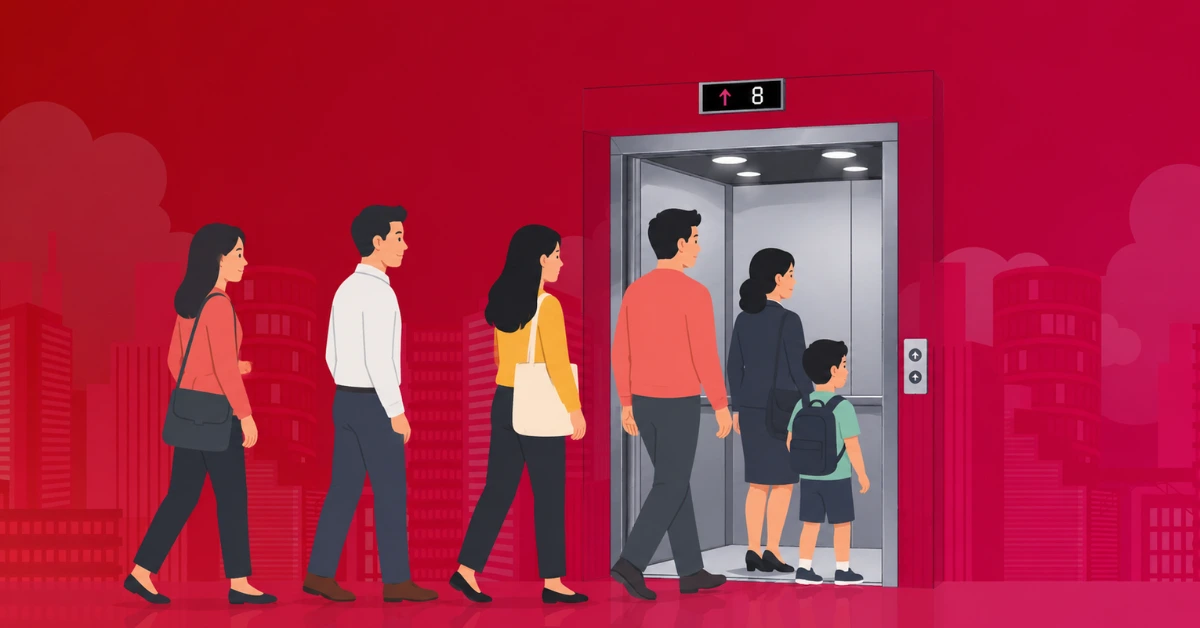
Elevators are an integral part of modern apartment living, helping people reach different floors conveniently. However, misuse of this useful tool can cause potential risks, even claiming lives. While accidents cannot be avoided, one should be cautious enough to limit the risk of jeopardising one’s and one’s loved ones’ lives. Understanding a few essential lift safety rules can make everyday commuting much safer. This blog highlights a few simple lift safety rules that ensure a safe and hassle-free elevator experience.
General Lift Rules in Society for Enhanced Living
The following are some of the apartment safety rules that you must follow while using an elevator in your apartment to ensure safety:
1. Adhere to the Weight Limit Instructions
Avoid overloading the elevator. Look out for the overloading warning as the weight limit must be written. Non-adherence to this can lead to safety hazards and malfunctions. The door to the elevator may not close, or there may be a red signal, implying overloading.
2. Be Patient while Boarding the Elevator
You must wait for the elevator to stop completely before exiting or entering. Boarding the lift before it makes a stop can cause accidents and prevent a smooth transition. This is one of the most basic lift use rules that helps prevent avoidable accidents.
3. Remain Cautious as You Use the Lift
Be aware of the surroundings and avoid any distractions while using the elevator. Pay attention to other passengers and floor indicators. If you encounter any suspicious, creaky sounds or jerky movements, report immediately.
4. Deal Carefully with the Emergency Button
Do not panic if you are trapped inside the elevator. To avoid any mishaps, press the emergency call button or utilise the emergency phone present inside the panel. Refrain from pressing the elevator emergency stop button unless necessary. Misuse of this button can disrupt the elevator service for everyone.
5. Keep an Eye on Children When Using the Lift
If you see children playing around or inside the elevator, report it to their guardians immediately. Children and pets must be supervised all the time while using the elevator, as they may not understand the lift rules in society or the risks involved.
6. Being Careful with the Elevator Door
Avoid forcefully opening the door to step out or inside as the door may crush your hands. Wait patiently for the door to open or close, even during power outages. You must also avoid exiting through the safety hatch, made for engineers. This lift safety instruction also urges the lift user to call for professional help through the emergency call option, and a trained watchman or building manager will rescue the trapped person.
7. Deal Carefully with Electric Car or Bike Battery
Electric car or bike batteries must be taken care of carefully as they are hazardous and prone to risk. If the batteries are placed in the lift, they can explode due to Static electricity. So, residents need to be aware of the impact that batteries will create if placed in elevators. In these cases, it’s advised to use stairs instead of elevators.
8. Lift Usage Instructions if You are Trapped
Follow these simple measures if you find yourself trapped inside an elevator:
- Remain calm as panicking can cloud your judgement and make it challenging to think clearly
- Use the emergency call button or phone found inside the elevator
- Wait patiently for help, and avoid prying open the door to climb out as it can cause serious injuries.
These steps form a key part of standard elevator safety rules.
Read also: Emergency Response Team
Elevator Maintenance Instructions for an Accident-Free Living
Lift malfunctions and breakdowns are caused mainly due to lack of maintenance, poor servicing, intentional vandalism and improper usage. Ensure your apartment elevator maintenance contracts comprise part placements, repair, breakdown service, maintenance and regular preventive visits from an experienced, registered and credentialed company.
The following is the breakdown of the lift maintenance schedule:
1. Monthly to Quarterly Maintenance
Monthly to quarterly maintenance involves inspecting key components such as doors, alarms, car phones, relief valves, pulleys and other safety devices. Lubricate the moving parts and clean these essential components to avoid malfunctions or breakdowns.
2. Biannual to Annual Maintenance
Biannual to annual maintenance focuses on more in-depth inspections and replacements of safety components. Thorough cleaning and lubrication of critical parts, including sheaves, counterweights, safety gears and motor bearings, is essential. Additionally, one must inspect and maintain the electrical components while ensuring the overall cleanliness of the elevator system.
Some additional tips surrounding lift usage instructions include:
- Schedule regular maintenance checks and get your hands on a customised report after every visit or inspection
- Follow all the elevator rules and regulations set by your society, including weight limits, emergency procedures, and safe lift use practices to ensure resident safety
- Adhere to the lift rules in society and report any issues to the elevator maintenance company immediately.
- Set aside a budget for elevator maintenance during annual financial planning
Read also: Elevator Maintenance Checklist
Additional Lift Safety Instructions
The following are some additional lift safety rules that will ensure a safe and enjoyable living experience in your apartment building:
- Be cautious during peak hours, as elevators can get crowded during those hours, increasing the risk of accidents
- Avoid leaning against the elevator walls to avoid potential falls and imbalance
- Use handrails (if present) to maintain proper balance, especially when the elevator is moving
- Be mindful of your belongings and avoid blocking the lift doors with luggage or other items
- Any suspicious activity must be reported to the security personnel or building management
How NoBrokerHood Helps Societies Respond Faster to Elevator Issues
Many lift-related accidents happen not because of major failures, but because small warning signs go unnoticed or unreported. Strange sounds, jerky movement, delayed door closing, or emergency button issues are often ignored until they become serious safety concerns.
NoBrokerHood is a society management app that helps to simplify this through its complaint management system. Residents can quickly report lift-related issues directly on the platform, allowing the managing committee and maintenance staff to respond faster and keep track of unresolved complaints.
How this improves elevator safety in apartments:
- Lift complaints are recorded and tracked properly
- Maintenance teams can respond to issues faster
- Residents do not need repeated follow-ups for the same problem
- Small technical issues can be addressed before they turn serious
This structured approach helps societies maintain safer common spaces and encourages residents to report elevator concerns responsibly instead of ignoring them.
All Solutions by NoBrokerHood:
FAQs
No, you must opt for stairs, as using the elevator during a fire might have you trapped inside. It is recommended that in such situations, you dial the SOS or emergency number on the panel inside the lift and wait for help.
Ensure maintaining your calm, as working under stress may escalate things. Press the emergency button or call the emergency services and be patient till somebody comes to your rescue.
No, if you notice a safety issue with a lift, you must immediately stop operating the lift and contact the maintenance department or any supervisor inside the apartment. Attempting to fix the issue yourself may aggravate the problem.
Supervise children at all times, keep them away from elevator doors, prevent playing in or near lifts, and teach them to follow basic lift safety rules like pressing buttons gently and waiting patiently.
Isolate the lift from the power supply before maintenance, use proper safety equipment like gloves, hard hats, and safety glasses, follow manufacturer guidelines, and regularly train the maintenance personnel on elevator safety rules and protocols.