Apartment Association Election Process
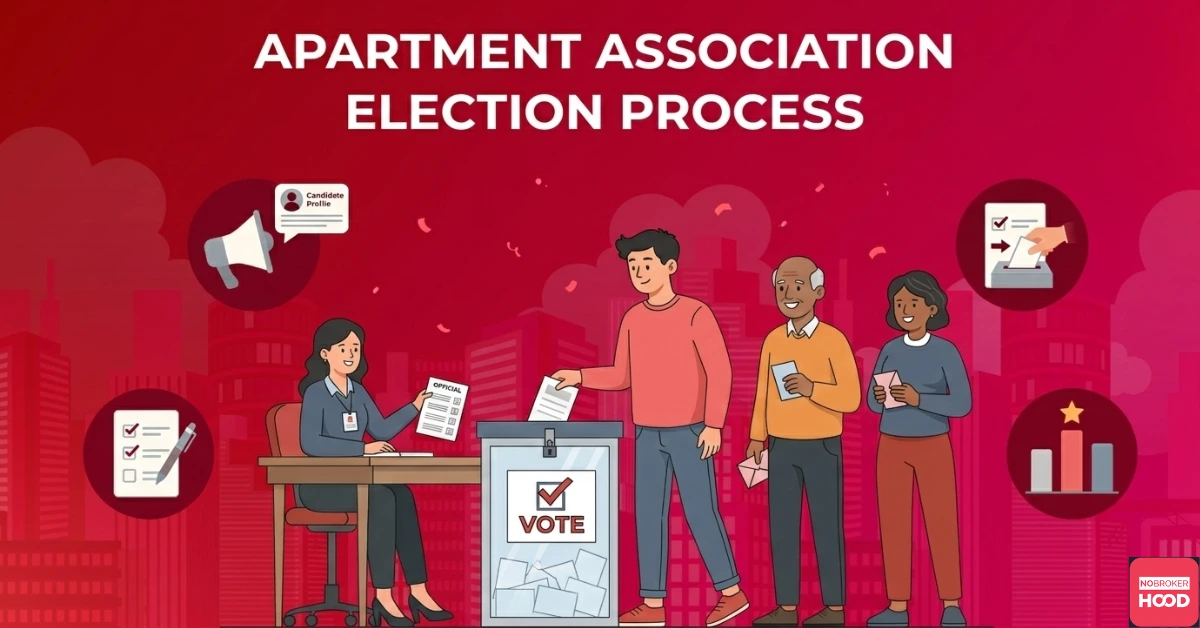
The apartment association election process is the democratic method used by housing societies to choose their managing committee. It usually follows the association’s bylaws and state laws and includes nomination, voting, and result declaration. A fair election helps residents choose responsible members who manage finances, security, and daily community operations.
Why the Apartment Association Election Process Matters?
The apartment association election process plays a key role in how a residential community functions. A properly conducted election ensures that residents select a capable managing committee to handle finances, maintenance, security, and everyday operations.
Without a clear process, societies may face confusion, disputes, or poor management decisions. A structured election process helps:
- Maintain transparency in society governance
- Give every flat owner equal voting rights
- Encourage responsible leadership within the community
- Ensure legal compliance with the association bylaws
- Build trust among residents
When residents actively participate in elections, it strengthens the sense of ownership and responsibility in the community.
Legal Framework for Apartment Association Elections in India
The apartment owners association election process in India is generally guided by the state laws and the registered association bylaws. These laws define election timelines, eligibility rules, and committee responsibilities.
For example, in Karnataka, many housing societies follow the Karnataka Apartment Ownership Act 1972 or the Societies Registration Act. In Maharashtra, elections may follow the Maharashtra Cooperative Societies Act. Uttar Pradesh societies often follow the U.P. Apartment Act and model bylaws.
While procedures vary slightly across states, the overall apartment association election process usually follows a similar pattern. Elections are normally held every 1 to 5 years, depending on the association rules.
Key Stages in the Apartment Association Election Process
Most housing societies follow a structured timeline. The apartment association election process typically begins around three months before the current committee’s term ends and moves through four main stages.
Pre-Election Preparation
The first stage of the apartment association election process focuses on preparing the housing society for elections.
1. Appointment of a Returning Officer
An independent election officer or nomination committee is appointed to oversee the entire election process. Their role includes verifying nominations, supervising voting, and declaring results.
Read also: Duties of the Returning Officer in a Society Election
2. Election Notification
The association publishes a formal election notice to residents. This notice usually includes:
- Election schedule
- Vacant positions such as President or Secretary
- Nomination deadlines
- Eligibility criteria
Most housing societies issue the notice 14 to 21 days before the election date.
3. Voter List Publication
A list of eligible voters is displayed on the housing society notice board or shared digitally. Residents are normally given 7 to 14 days to:
- Verify their details
- Clear pending maintenance dues
- Request corrections if required
This step ensures transparency and avoids last-minute disputes.
Candidacy and Nomination Stage
The second stage of the apartment association election process allows eligible members to contest for committee positions.
1. Candidate Eligibility
To contest elections, a person must usually:
- Be a registered owner of a flat
- Be at least 18 years old
- Have no outstanding maintenance dues
- Be listed as a valid member of the association
2. Nomination Submission
Interested members submit nomination forms within the specified time period. These forms are often required to be:
- Proposed by one eligible member
- Seconded by another eligible member
This confirms community support for the candidate.
3. Scrutiny of Nominations
The Returning Officer reviews all submitted forms to ensure they meet the eligibility requirements.
If any nomination does not follow the rules, it may be rejected.
4. Withdrawal Period
After scrutiny, candidates are given a short window to withdraw their nominations if they choose.
5. Final Candidate List
Once the withdrawal period ends, the final list of valid candidates is published. Some housing societies also assign symbols to candidates for easier identification during voting.
Voting and Result Declaration
Voting is the central step in the apartment association election process. Most housing societies follow the one flat, one vote rule, meaning each apartment unit gets a single vote regardless of how many people own the flat. Voting methods may include:
- Secret ballot voting
- Show of hands during general meetings
- Certified online voting platforms
Online voting is becoming more common in large residential complexes as it allows greater participation. Vote counting usually happens immediately after polling ends. The Returning Officer counts votes in the presence of candidates or observers and declares the results.
Read also: Online Voting and Members Rights in Housing Society Elections
Post-Election Formalities
After the results are declared, the apartment association election process moves into the final administrative stage. Key steps include:
First Committee Meeting
Newly elected members meet to assign office bearer roles such as:
- President
- Secretary
- Treasurer
Some housing societies elect these roles directly during voting.
Handover Process
The outgoing committee transfers documents and responsibilities to the new team. This includes:
- Financial records
- Bank accounts
- Housing society documents
- Vendor agreements
Record Retention
Election documents such as ballot papers and records are typically preserved for three months in case disputes arise.
Read also: RWA Election Process
Eligibility Rules for Voters and Candidates
Eligibility criteria are an important part of the apartment owners association election process.
Voter eligibility
- Must be a registered owner of a flat
- Maintenance dues must be cleared
- One vote is allowed per apartment
If a flat has joint owners, the person whose name appears first on the sale deed is usually the designated voter unless authorisation is given.
Candidate eligibility
- Must be a registered member of the association
- Must be at least 18 years old
- Should not have unpaid dues to the housing society
These conditions ensure responsible participation in community governance.
Roles of the Apartment Management Committee
After the apartment association election process, the elected committee manages the daily functioning of the community. Common roles include:
President
Leads the association, presides over meetings, and oversees overall administration.
Secretary
Maintains records, manages communication, prepares meeting minutes, and coordinates housing society activities.
Treasurer
Handles financial records, budgets, audits, and bank transactions.
Executive Members
Assist the office bearers with tasks such as maintenance planning, vendor coordination, and community events.
A well-functioning committee helps maintain harmony in a housing society.
Common Challenges During Housing Society Elections
Even with rules in place, the apartment association election process can sometimes face challenges. Common issues include:
- Low resident participation
- Confusion about eligibility rules
- Disputes over voter lists
- Delays in announcing results
- Lack of transparency in communication
Clear communication and proper documentation help avoid most of these problems.
Simple Tips for Conducting Smooth Housing Society Elections
A few practical steps can make the apartment association election process more organised.
- Publish election schedules well in advance
- Keep voter lists updated and accessible
- Encourage residents to participate in meetings
- Ensure nomination forms are simple and clear
- Maintain proper documentation of the entire process
- Allow digital communication for updates and reminders
These steps help ensure fairness and reduce confusion among residents.
Read also: Society Election
How NoBrokerHood Supports the Apartment Association Election Process
Managing the apartment association election process in large housing societies can be challenging without structured communication and accurate resident records. NoBrokerHood provides digital tools that help RWAs organise elections, share notices, and maintain transparent member records.
| Service Module | How It Supports Apartment Association Elections |
| Resident Database Management | Maintains an updated list of apartment owners, helping societies prepare accurate voter lists. |
| Community Communication Tools | Share election notices, nomination announcements, and voting updates with all residents through the app. |
| Digital Notice Board | Publish election schedules, candidate lists, and results in a central place accessible to residents. |
| Document Management | Store nomination forms, election notices, and committee records for easy access and reference. |
| Online Polls and Feedback | Conduct quick opinion polls or collect resident feedback before or after elections. |
By organising communication and member records in one platform, NoBrokerHood helps housing societies conduct the apartment association election process in a more structured and transparent manner.
All Solutions by NoBrokerHood:
FAQs
Most housing societies conduct elections every one to five years, depending on their bylaws and state regulations. The timeline is defined in the association’s registered rules.
Generally, the registered owner of the apartment is eligible to vote. Each flat is given one vote, and the voter must clear any pending housing society dues before the election.
In most housing societies, tenants cannot vote or contest elections. Voting rights are usually limited to registered apartment owners who are members of the association.
Election disputes are usually reviewed by the returning officer or the association committee. If required, residents may raise the issue under the housing society bylaws or relevant state laws.
Yes, many modern housing societies use secure online voting platforms. This helps increase participation and makes the apartment association election process easier for residents who cannot attend meetings physically.