Integrated Township: Meaning, Features and Management in India
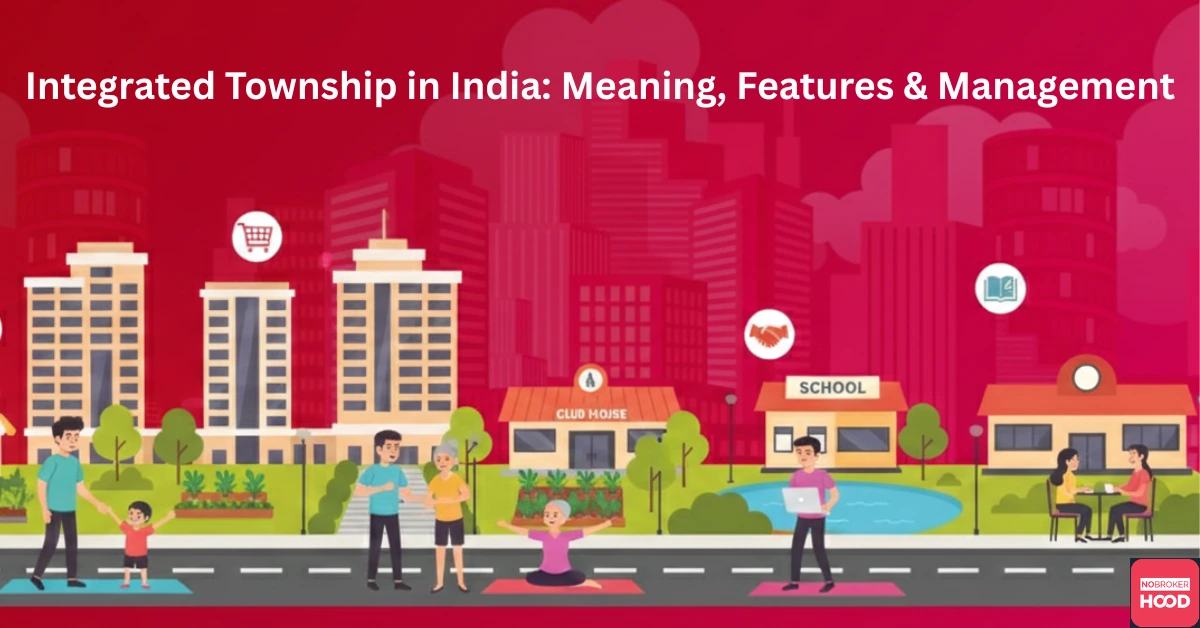
An integrated township is a large, self-contained, master planned community that combines homes, offices, schools, healthcare, retail, and recreation in one secured area. It works like a mini city where daily needs are available nearby. It is designed as a live-work-play ecosystem with strong infrastructure and professional management. For residents and RWAs, proper planning and digital management are important for smooth living.
What Is an Integrated Township?
Integrated township meaning refers to a large-scale, self-sustained, and master planned community that brings together residential, commercial, social, and recreational spaces inside one secured boundary. In an integrated township, people can live, work, study, shop, and relax without travelling long distances. These projects are usually built on large land parcels and include internal roads, utilities, and social infrastructure.
A typical integrated township includes:
- Apartments, villas, and plotted homes
- Office and retail spaces
- Schools and hospitals
- Parks and sports facilities
- Internal roads
- Utility systems like water treatment and power backup
Instead of depending fully on city infrastructure, an integrated township operates like a mini city with its own systems for water, power backup, waste handling, and security. In India, these projects are growing around major cities where families want better planning and less daily travel stress.
Key Features of an Integrated Township in India
An integrated township is planned from the start as a mixed-use ecosystem. That makes its design and management different from a standalone housing society.
Common features include:
- Self-contained ecosystem with residential and commercial zones
- A walk-to-work and walk-to-school layout that reduces commute time
- Comprehensive amenities like gyms, pools, parks, and community centres
- Social infrastructure such as schools, clinics, and day care centres
- Retail support like supermarkets, pharmacies, and cafes
- Dedicated infrastructure, including sewage treatment plants and water systems
- 24/7 security and access control across entry points
- Reliable power backup for common areas and services
Many townships in cities like Chennai, Bengaluru, and Pune follow this model due to rising demand for planned living environments.
Integrated Township Vs Gated Community
People often confuse a gated society with an integrated township. Both are secured communities, but their scale and management needs are different.
Gated Community
- Mostly residential
- Focus on security and common area maintenance
- Smaller land area
- Limited amenities or social infrastructure
- Managed by RWA or a facility agency
Read also: What is a Gated Community?
Integrated Township
- Mixed-use with residential and commercial areas
- Acts like a mini city
- Residential plus commercial and institutional spaces
- Large-scale planning
- Needs multi-department management teams
- Professional and technology-driven management
Managing gated communities and integrated township projects requires different operating models because township infrastructure is wider and more complex.
Read also: Gated Community Amenities for Smart Buyers
How Does Managing Gated Communities and Integrated Townships Work?
Managing gated communities and integrated township environments involves structured, professional, and technology-supported operations.
Key management areas include:
- Facility and infrastructure management
- 24/7 security and surveillance
- Utility systems monitoring
- Digital service requests and payments
- Vendor and staff coordination
- Community governance and events
Townships usually have multi-specialised teams handling engineering, landscaping, utilities, security, and resident services together.
Governance is handled by:
- Resident Welfare Associations
- Township management committees
- Professional property management firms
Read also: Tips for Moving into New Gated Community
Facility and Infrastructure Management KPIs for Integrated Township
For any integrated township, performance is measured using practical KPIs such as:
- Complaint resolution time
- Uptime of water and power systems
- Sewage treatment plant performance
- Street lighting functionality rate
- Cleanliness audit scores
- Preventive maintenance completion rate
Core infrastructure scope includes:
- Roads and pathways
- Water supply systems
- Sewage and drainage
- Street lighting
- Landscaped gardens
- Power backup systems
These KPIs help committees track service quality and budget efficiency.
Security and Technology Systems in Integrated Townships
Security in an integrated township is layered and system-driven.
Common practices include:
- 24/7 trained security staff
- CCTV coverage across common areas
- Gate entry logging
- Visitor management apps and systems
- Central control rooms in large townships
- Digital incident reporting
Read also: Gated Community Security
Technology is also used for:
- Amenity booking
- Maintenance ticketing
- Staff attendance
- Online maintenance payments
- Resident communication
Sustainability and Eco Practices in Integrated Township Projects
Modern integrated township developments focus strongly on sustainability and resource planning.
Typical eco practices include:
- Rainwater harvesting systems
- Solar lighting for common areas
- Waste segregation at source
- Composting units
- EV charging stations
- Treated water reuse for landscaping
These measures reduce long-term operating costs and support responsible community living. They also help RWAs meet local environmental guidelines.
Investment Value and Lifestyle Benefits
From both resident and investor views, an integrated township offers structured advantages.
Lifestyle benefits
- Reduced travel time, sometimes by up to 70%
- Access to daily needs inside the campus
- More green and open spaces
- Community engagement areas
- Safer environment for families and seniors
Investment indicators
- Higher rental demand
- Better capital appreciation
- Stable resale interest
- Stronger occupancy rates
Market reports often project double-digit growth in township-style developments in expanding urban regions of India.
Read Also: Society Investment in Mutual Funds
Practical Steps for RWAs and Township Managers
If you are part of a committee managing an integrated township, these practical steps help with daily operations:
- Define service KPIs for security, housekeeping, and utilities
- Use a digital complaint system instead of manual registers
- Audit infrastructure quarterly, including STP and power backup
- Track vendor SLAs with written response timelines
- Run safety drills for fire and medical emergencies
- Encourage eco practices like segregation and water saving
- Publish monthly reports for residents on costs and performance
Small process discipline creates long-term stability.
How NoBrokerHood Supports Integrated Township Communities
Managing a large integrated township requires clear systems, real-time visibility, and smooth coordination between residents, staff, and management teams. NoBrokerHood supports this scale of operations by bringing daily township activities onto one organised digital platform.
| NoBrokerHood Services | How It Helps an Integrated Township |
| Visitor & Gate Management | Handles high daily visitor flow across multiple gates with app-based approvals, entry logs, and faster verification. |
| Staff & Vendor Entry Tracking | Tracks housekeeping, security, and vendor staff attendance across large township zones with digital records. |
| Maintenance Ticketing System | Residents can raise service requests and track resolution status, helping township teams manage large complaint volumes. |
| Amenity Booking | Organises bookings for clubhouses, sports courts, halls, and shared facilities with transparent schedules. |
| Billing & Maintenance Collection | Supports society and township billing, dues tracking, and online payments for smoother financial management. |
| Communication & Notices | Sends alerts, announcements, and updates to thousands of residents quickly through one platform. |
| RWA & Admin Dashboard | Gives management committees a central dashboard to monitor complaints, collections, and operations KPIs. |
| Vendor & Facility Coordination | Helps manage multiple facility vendors with structured records and performance visibility across the township. |
All Solutions by NoBrokerHood:
FAQs
Integrated township refers to a large planned area where homes, offices, schools, healthcare, and shopping exist together inside one secured campus with its own infrastructure and services.
An integrated township is larger and more self-sufficient. It offers mixed-use facilities and internal infrastructure, while gated communities are mostly residential with limited shared amenities.
Management is handled by RWAs, township committees, or professional property management firms. Large projects usually use structured facility teams and digital management platforms.
Many integrated township projects show steady rental demand and resale value due to planned infrastructure, lifestyle amenities, and community scale. Location and developer quality still matter.
Most include housing, retail, schools, clinics, parks, sports areas, internal roads, water systems, sewage treatment, and full-time security arrangements.